New arrivals
“Struggling with disconnected customer experiences?
Our service design tool bridges the gaps, ensuring seamless, human-centered solutions.”
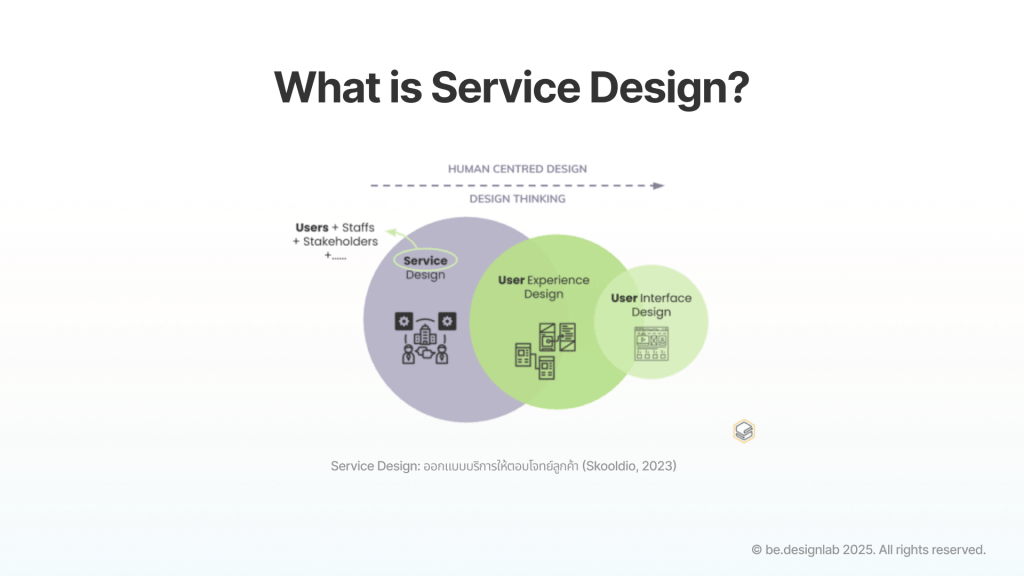
Our services

User Research Tools
Focuses on understanding users’ experiences and interactions across various touchpoints within a service. It involves a holistic approach that considers not just the product or interface but the entire service ecosystem. Here are some user research tools and methods specifically relevant for service design.
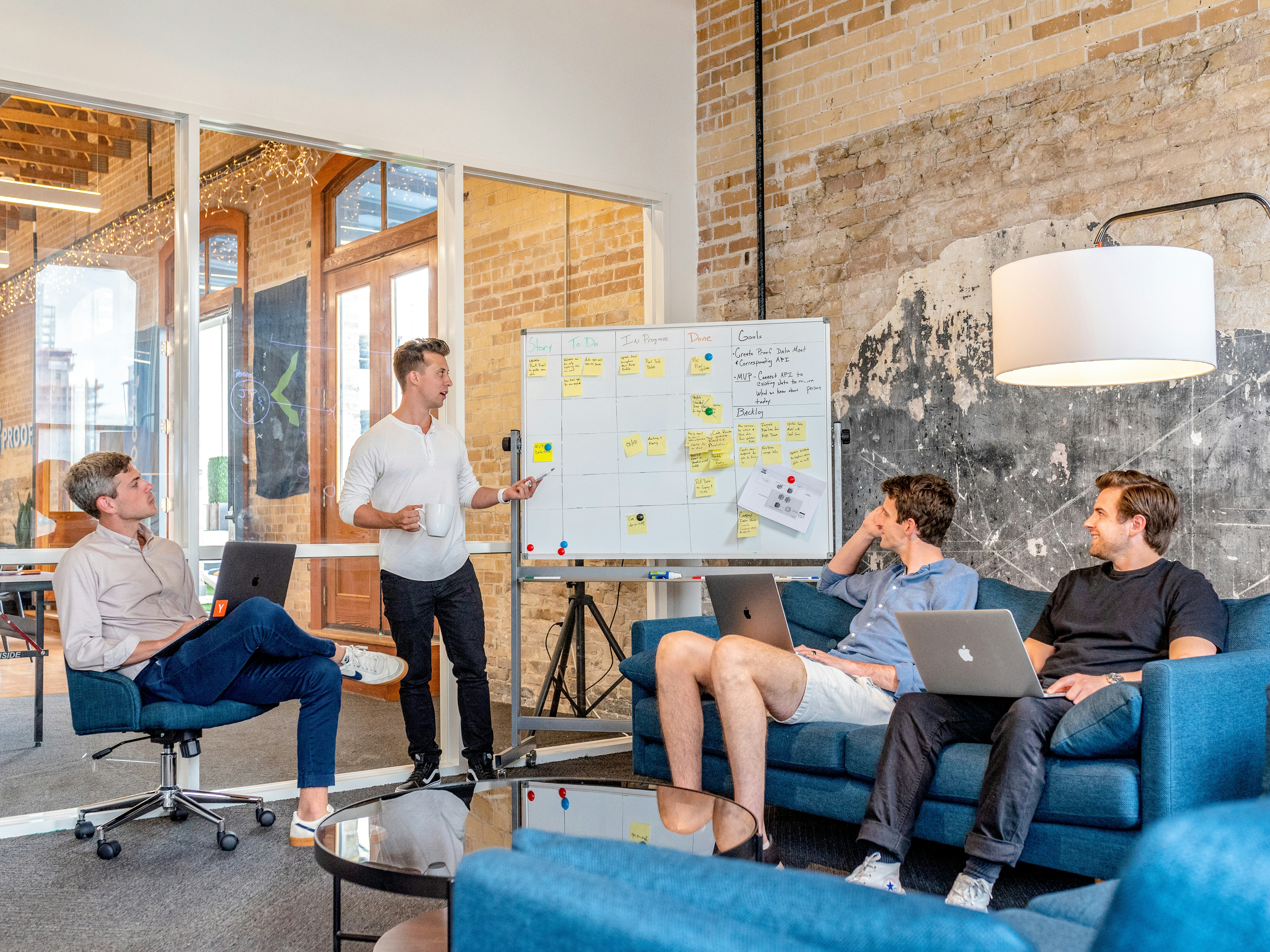
Co-Creation and Ideation Tools
Co-creation and ideation are crucial stages in service design, where stakeholders, including customers, employees, and designers, collaborate to generate innovative ideas and solutions. Here are some commonly used tools and methods for these stages.

Prototype Tools
Prototyping Tools are essential for creating tangible representations of ideas and concepts, allowing teams to test and refine them before full-scale development. Here’s a list of commonly used prototyping tools, along with a brief explanation of each.
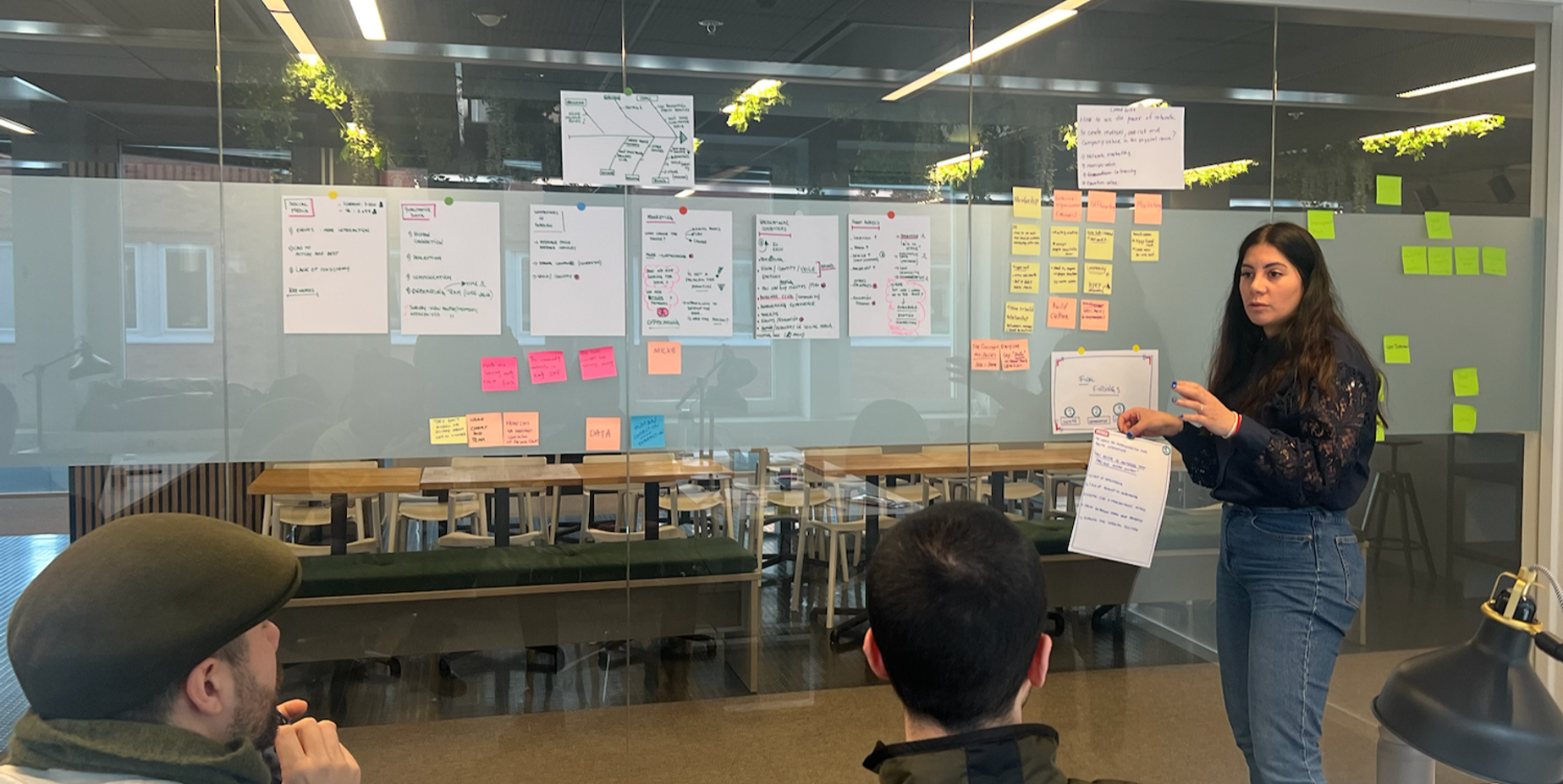
Implementation and Testing Tools
Implementation and Testing Tools are essential in the later stages of the design and development process. These tools help ensure that a product or service functions as intended and meets user needs before it is fully launched. Here’s a brief overview and definitions.
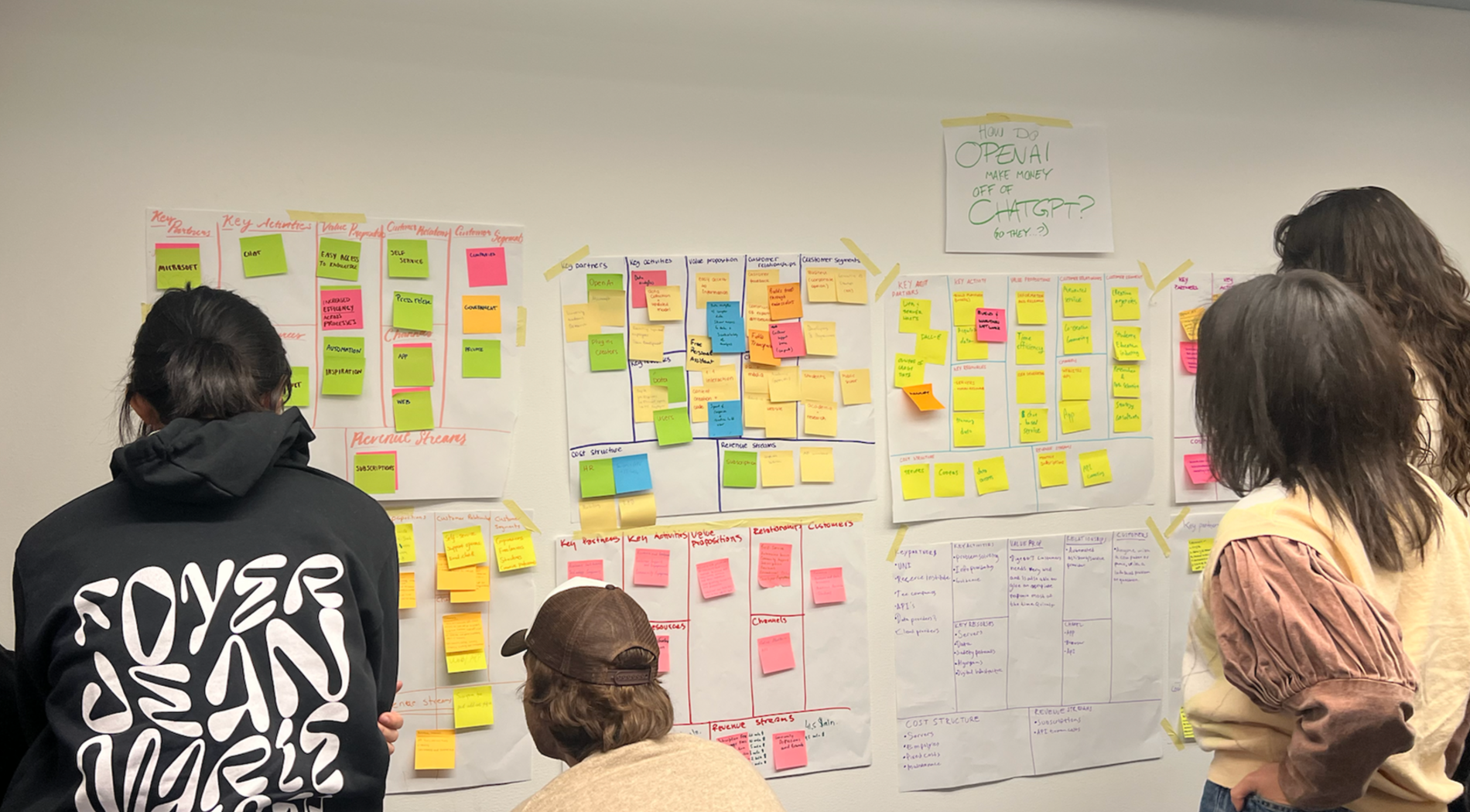
Evaluation and Measurement Tools
Evaluation and Measurement Tools are methods and instruments used to assess the effectiveness, efficiency, and impact of a project, service, or product. These tools help organizations understand how well they are meeting their goals, identify areas for improvement, and make data-driven decisions. They can measure a wide range of factors, including user satisfaction, engagement, performance, and overall success.

Communication and Engagement Tools
To facilitate effective communication, collaboration, and active participation among stakeholders, teams, and users. These tools are essential for ensuring that everyone involved in a project is informed, aligned, and engaged throughout its lifecycle.


#bedesignlab #servicedesign #toolbox
 be. design lab