1. What I Did
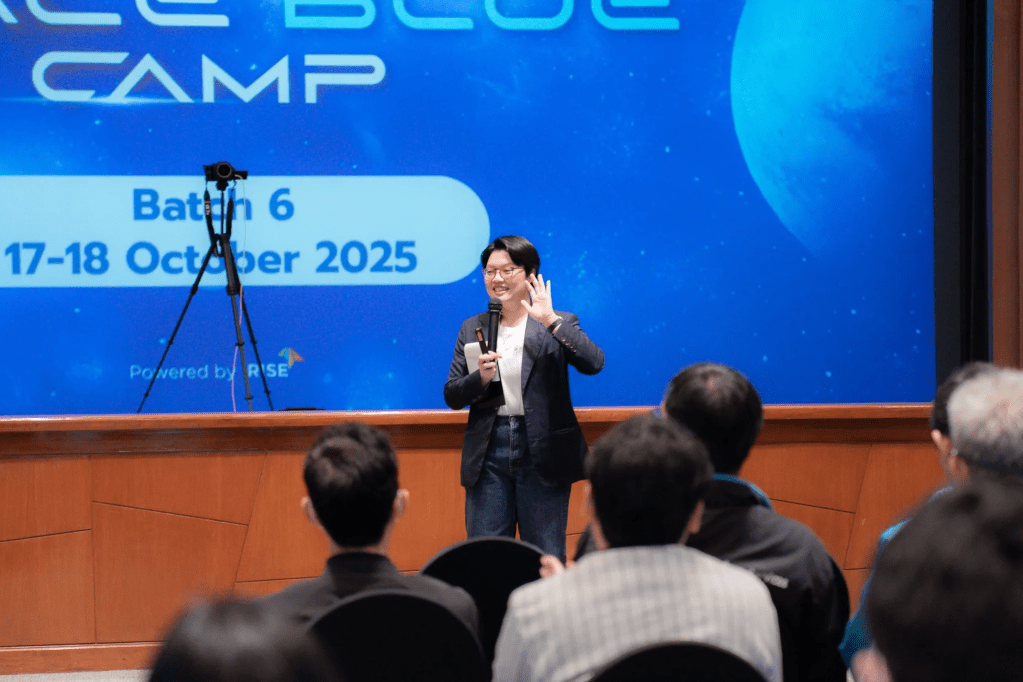
Role: Program Manager at RISE
Program: Internal Team-Building Program
(2-Day Workshop: 6 batches, ~500 participants)
Level of Ownership: Program Owner
- Background: The banking industry has already begun transforming by adopting technology in daily operations. However, more than 1,500 IT employees still needed to transform their mindset and skills to be ready for the new era.
- Two-Day Program Focus:
- Day 1: Change Mindset / Growth Mindset (Owned by me)
- Day 2: Agile Methodology (IBMDT Supported)
- Team-Building Approach:
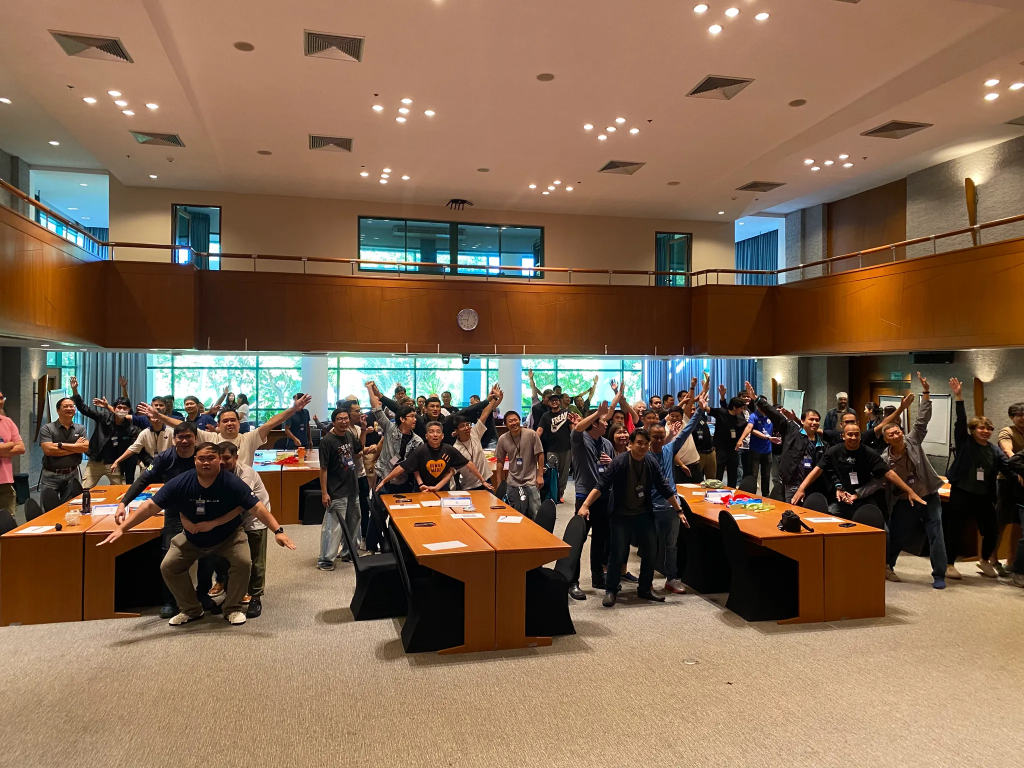
- Created a fun and energizing team-building environment
- Designed participant personas to ensure high engagement
- Ensured the core content aligned with the ideal framework
- Allowed minor adjustments to better match the main participant profile, without changing the core concepts
2. What I Learned
Transformation is more effective when it is driven at the majority level, with the core idea and content delivered consistently to most employees, creating shared understanding and alignment.
To start changing current employees, a corporate-level approach is needed. Change should be structured and guided by the organization, not left to individual or ad-hoc initiatives.
A strong sense of team building helps break the ice and open up participants. When people feel safe and engaged, they are more willing to share, learn, and accept new ways of working.
The change content journey is very important. A clear flow—ice-breaking, common foundational content, relatable examples, and gamification through fun activities and discussions—helps participants understand change more easily and follow it step by step.
Team diversity also plays a key role. Mixing participants from different functions and position levels helps match different personas, encourages collaboration, and enriches learning through multiple perspectives.
In addition, for long-term transformation, the company should have a dedicated unit that owns change. By building employees’ awareness of change early, before major transformations take place, the organization can reduce change fatigue and prevent burnout when larger changes are introduced.
3. What Challenged Me
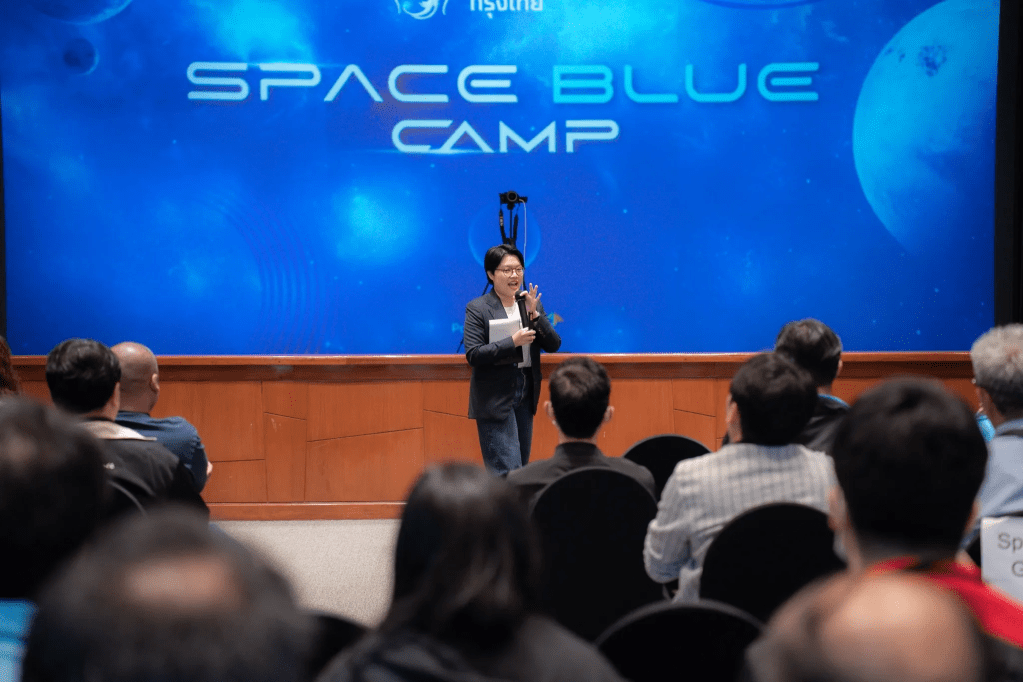
This program challenged me personally, especially in strengthening my confidence and ability in public speaking and expression. Being in front of a large and diverse group required me to communicate clearly and confidently at all times.
During the sessions, I also needed to continuously observe learners’ reactions and engagement in real time. This helped me understand whether the content and facilitation approach were working and when adjustments were needed.
Another challenge was delivering the program in an agile way. When an instructor’s content did not work as expected, I had to quickly identify the issue and adapt the approach immediately to keep the session effective and engaging.
Team grouping was also challenging, as I needed to design balanced teams by matching participants from different roles, functions, and position levels to ensure effective collaboration.
Stakeholder management required extra attention. Working as an external consultant, I had to coordinate among instructors, facilitators, internal teams, and external stakeholders from diverse functions, align different perspectives, and ensure smooth end-to-end execution.
Lastly, creativity in content delivery was essential. In some situations, when instructors were unavailable, I needed to create and facilitate activities independently, including leading morning ice-breaking sessions to maintain energy and engagement.
4. How I Grew
Through this experience, I felt that I grew significantly, even though the growth was not always tangible or tied to a specific framework. It was more about how I showed up, responded, and handled real situations in the moment.
I became a better listener by learning to listen to and read the room the energy, dynamics, and engagement level of participants and adjust my facilitation style accordingly. I also learned to utilize feedback from previous batches to continuously refine the content and improve the overall experience.
I developed greater flexibility and adaptability. Unlike structured environments such as hackathons, this program required less focus on strict rules and more emphasis on energizing participants and sustaining engagement throughout the sessions.
This experience deepened my understanding of the true purpose of team building not just running activities, but creating connection, trust, and psychological safety so participants feel comfortable collaborating and opening up.
Lastly, I grew significantly in public speaking and MC skills, particularly in my ability to draw engagement, manage the room, and maintain attention in large-group settings.
5. How This Experience Will Help Me in the Future
This experience will help me approach future programs and initiatives with a stronger people-centric mindset, focusing not only on content but also on participant experience, engagement, and readiness for change.
I will be better prepared to design end-to-end learning and change journeys, using clear flows, real-time observation, and feedback loops to continuously improve delivery and outcomes.
The experience also strengthened my ability to adapt quickly in dynamic situations, manage uncertainty, and respond effectively when plans or content need to change on the spot.
In the future, I will be more confident in leading cross-functional stakeholders, aligning different perspectives, and ensuring smooth collaboration between internal teams, instructors, and external partners.
Finally, the growth in public speaking, facilitation, and MC skills will enable me to lead larger programs, engage diverse audiences, and take on more visible leadership roles with confidence.
 be. design lab