Title: To What Extent Are Service Design Tools Adopted in The Public sector when applied to Virtual Policy Platforms?
💡Master’s Thesis: The Adoption of Service Design Tools in the Public Sector: Application to Virtual Policy Platforms
Writer: Natawarun Niamtanom (Belle)
Objective: An Industry Research Project In partial fulfilment of the requirements for the degree of Master of Arts in Digital Management at Hyper Island
Date: August 2024
Word Count: 15,398
Turnitin: Similarity Index: 6%
The purpose of utilizing AI tools, specifically generative AI like ChatGPT, is to facilitate the research process by generating insights and synthesizing information based on thorough reference investigation. The methodology involves employing ChatGPT to assist in compiling research findings, leveraging its capability to analyze patterns within the provided scope. However, it is essential to recognize the limitations of AI, such as its reliance on the data it has been trained on, which may not extend beyond certain boundaries or generate entirely new information.
🤖 Declaration of AI Used
The primary advantage of using AI tools in research is their ability to provide fast and easy access to information, significantly accelerating the research process. Nevertheless, the outputs generated by AI require careful verification, as there may be limitations in accuracy or comprehensiveness that necessitate cross-referencing with other sources.
The key takeaway from this approach is that AI can be an invaluable tool for streamlining tasks and guiding the research process. By integrating AI into the workflow, researchers can enhance efficiency while maintaining a critical approach to evaluating the generated content.
📑ABSTRACT
In recent years, the concept of business transformation, propelled by digitalisation, has gained significant focus across various industries worldwide, impacting many businesses to motivate their business activities to be more digitised. The public sector is also particularly important as a venue for driving these sorts of revolutionary efforts because of as the simple step of taking change lead effect on whole population acitivities. Correspondingly, the long-term development and social involvement between the community and government, Thailand Policy Lab (TPLAB) has led to the creation of a cutting-edge platform designed to digitise the early phases of policy development by bringing policymakers and policy users within a virtual policy platform, fostering heightened awareness, engagement and collaboration in the policymaking landscape of Thailand. This study was motivated by an interest in the use of service design tools which are mostly applied in the retail, healthcare, and technological sectors (Thoughtworks, 2023; SpringerLink, 2023; Info-Tech, 2023). Starting personal curiosity has made me want to investigate how service design tools are applied in the government sector to serve as a service provider efficiently following the central idea of human-centric. Furthermore, the aim goal of this research is to establish service design tools guidelines to look at the potential efficacy and effects of approaches when utilized in the general population sector. Another is the prototype outcome to the next step of the development phase.
INTRODUCTION
Identification of Role and Responsibilities
In my current research project, I collaborate with Rise Impact Ltd., a government consulting agency in Thailand, which is part of involved in the “OurPolicy” a Virtual Policy Platform project initiative by TPLAB as an intern focusing on Marketing and Communication to promote the VPP platform. In this advanced work-based project, I aim to explore the potential impact of integrating service design tools in managing public sector projects.
Start with, my primary focus is on exploring and implementing cutting-edge methodologies such as Service Design, Design Thinking, and Journey Mapping. Due to these modern approaches contrast significantly with traditional methodologies like the Waterfall Method, expert-driven solutions, and process mapping and flowcharts (Brown, 2008; Stickdorn and Schneider, 2011).
To provide a clearer understanding of traditional methodologies, the Waterfall method is project management and software development using this linear method prioritize a step-by-step design procedure. However, there are some drawbacks to this method, because once a project starts, it is difficult to modify the methodology, which is criticized for being firm and inflexible (van der Heijden, 2005). Second, Expert driven solutions, usually depend on the knowledge of a select few people to develop and implement solutions, which might cause a gap between the needs of the end users and the finished result (Bitner, Ostrom, and Morgan, 2008). Third, Process mapping and flowcharts are valuable for illustrating workflows and procedures, these instruments frequently fall short in properly handling complex, constantly shifting user requirements and interactions. (Stickdorn and Schneider, 2011). In contrast, cutting-edge methodologies like Service Design, Design Thinking, and Journey Mapping emphasize human-centric approaches. These methodologies prioritize understanding and addressing user needs through iterative design processes, allowing for flexibility and adaptability based on continuous user feedback and insights (Brown, 2008; Sangiorgi, 2011).
My interest in these cutting-edge methodologies stems from focusing on human-centric design, prioritizing user needs over traditional product requirements (Bitner, Ostrom, and Morgan, 2008). These methodologies allow for flexibility and adaptability based on user research and insights, instead of inflexible assumptions. This dynamic approach excites me because It produces different results for every assignment, sparking my interest and driving my enthusiasm for continuous learning and creativity. (Parker and Heapy, 2006; Sangiorgi, 2011). Our team integrated service design tools to identify touchpoints and develop frameworks within the project. Also, I will go into more detail about what I learned and the key findings I learned from using these tools below.
PROJECT WORK
The Thailand Policy Lab’s Virtual Policy Platform (VPP) represents a significant advancement in fostering public participation in the policy-making process and bridging the gap between policymakers and policy users. This initiative is the result of a collaborative effort involving Thailand Policy Lab, UNDP Digital Studio, and various governmental partners. The primary aim of the VPP is to serve as a participatory platform for public engagement, thereby countering the traditional top-down approach to policy formulation by actively gathering public input and facilitating a more inclusive dialogue. To achieve its objectives, the platform is designed to enhance communication and collaboration between two key user groups: policymakers and policy users.****
For policymakers within the Thai government including policy practitioners, implementors, and local government officials from various departments and ministries the platform provides several essential features. These include:
- A central location for organizing and receiving policy suggestions.
- Procedures that allow policy drafts to be reviewed and improved upon continuously.
- Tools for starting and continuing conversations that promote cooperative dialogue.
- Systems for evaluating the results of discussions to guide choices.
- Polling capabilities to create and take part in surveys and analyze the findings of surveys.
- Features that facilitate control and transparency while mapping and monitoring the creation of policies.
- A list of all parties participating in the policy-making process to guarantee thorough involvement.
What is more, the platform responds to the requirements of policy users who are representatives of minority groups like youth, people with disabilities, LGBTQ+ people, and ethnic communities, as well as the wider Thai public.
Among these requirements are:
- The capability to track and submit policy ideas, making sure their contributions are acknowledged.
- Tools for collaboration to work on policy drafts and encourage group contributions.
- Discussion boards that encourage active participation in the creation and participation of topics.
- Users can express their opinions through the creation and voting of polls using polling tools.
- Features to make sure they stay informed about policy changes, such as tracking and receiving notifications about them.
- Mechanisms that promote process trust by guaranteeing policy accountability and transparency.
In the long run, this project seeks to establish more diverse and inclusive policy-making circumstances by making sure that all citizens’ opinions are heard and taken into account during the policy-making process. The VPP aims to encourage increased participation and responsiveness in the policy-making process by incorporating these features.
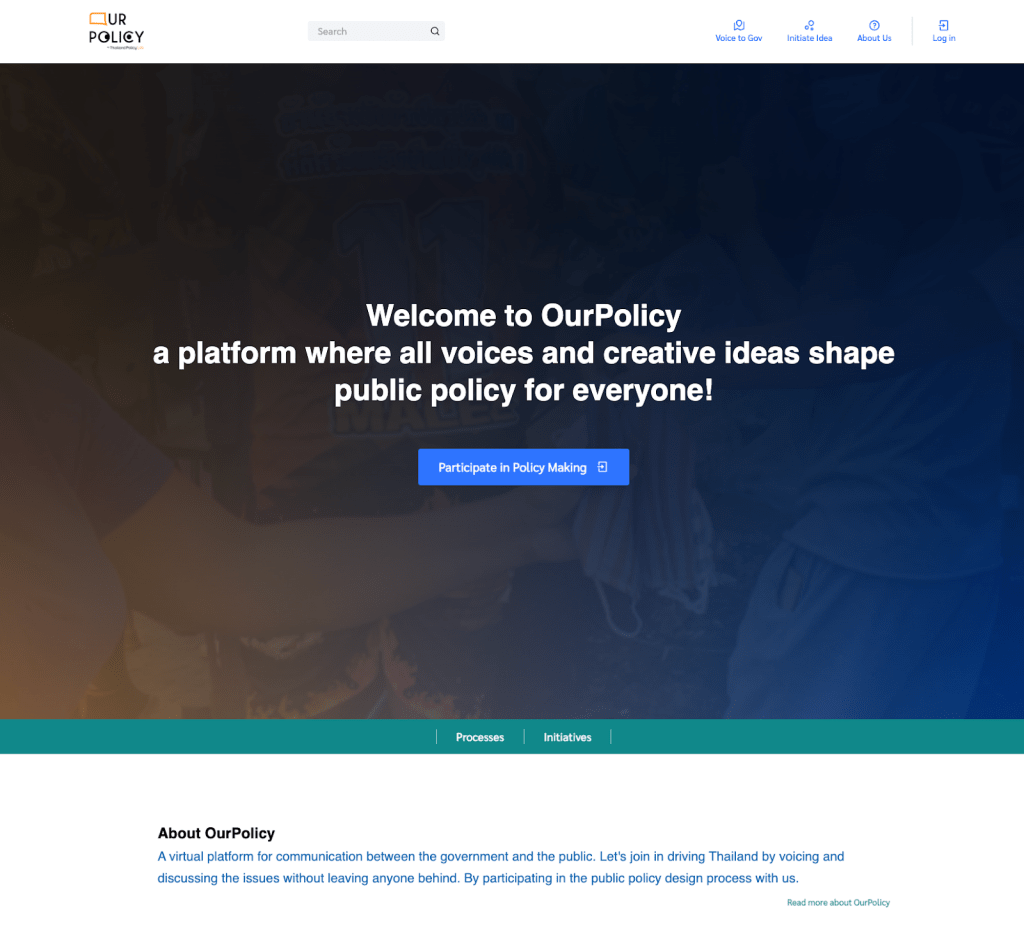
Link: https://ourpolicy.org/
The OurPolicy is a revolutionary tool intended to support a democratic policy-making procedure. This section outlines the platform’s primary components, each of which supports the platform’s basic objective of enhancing public engagement and collaborative decision-making. Start with the Debates Module stands out as a key feature for hosting and managing structured debates. This module enables users to engage in informed discussions on various policy topics, fostering open dialogue and active public engagement.
It focuses on:
- Discussions: Facilitating in-depth discussion about policy issues.
- Open Dialogue: Promoting transparent exchanges of ideas from policy user
- Public Engagement: Encouraging broad participation from the community.
Follow with, the Participatory Processes Module is essential for planning and carrying out group decision-making procedures. This module facilitates public and private participation efforts by offering instruments for efficient stakeholder engagement and thorough policy formulation.
Based on:
- Participatory Process: Structuring and managing collaborative efforts.
- Stakeholder Overview: Offering insights into involved parties.
- Policy Overview: Summarizing developments and statuses of policies.
- Policy Mapping: Displaying the links and journeys of policy.
Finally, the Surveys Module provides essential tools for creating and conducting surveys, thereby gathering user opinions and feedback on a range of subjects. This module allows administrators to define surveys, manage user participation, and analyze results, with the capability to download responses leading to gathering user insight by collecting and
To conclude, this section has provided a comprehensive overview of my role within the project, clarified the objectives of the Thailand Policy Lab’s Virtual Policy Platform (VPP), and highlighted the key features and operational approach feature of the OurPolicy platform both policy makers and policy users.
LITERATURE REVIEW
In this chapter, I aim to synthesize and present a comprehensive literature review that offers readers a thorough understanding of the concept of service design. By examining key academic sources, we will explore the historical development, foundational principles, and practical applications of service design. This overview will help readers grasp the evolution of the field, its core methodologies, and its significance in contemporary practice. The discussion will also highlight the interdisciplinary nature of service design, integrating perspectives from design thinking, systems thinking, and user experience. Through this exploration, we seek to provide a well-rounded perspective on how service design has become a critical approach for creating and improving services in various sectors.
Begin with the term “Service Design” emerged in the 1960s, influenced by the growth of service economies and early developments in design thinking. It was formally recognized in literature around in the 1980s (Catalanotto, 2018). Initially, Service design is rooted in both design and systems thinking, emphasizing approaches that prioritize solving problems in a human-centric. As well as, the primary goal of service design is to create and improve services that deliver value to users by being effective, efficient, and enjoyable. This involves understanding user needs, enhancing user experiences, and ensuring that services are well-coordinated across various touch points (Stickdorn et al., 2018; Polaine, Løvlie, and Reason, 2013; Patrício et al., 2011). What is more, the one of fundamental service design tools is Design thinking (DT), a methodology that integrates considerations of desirable, feasible, and viable (Brown and Wyatt, 2010). It is a problem solving methodology that emphasizes user-centric solutions through stages such as empathy, defining problems, ideating solutions, prototyping, and testing (Brown, 2009; Brown and Wyatt, 2010).
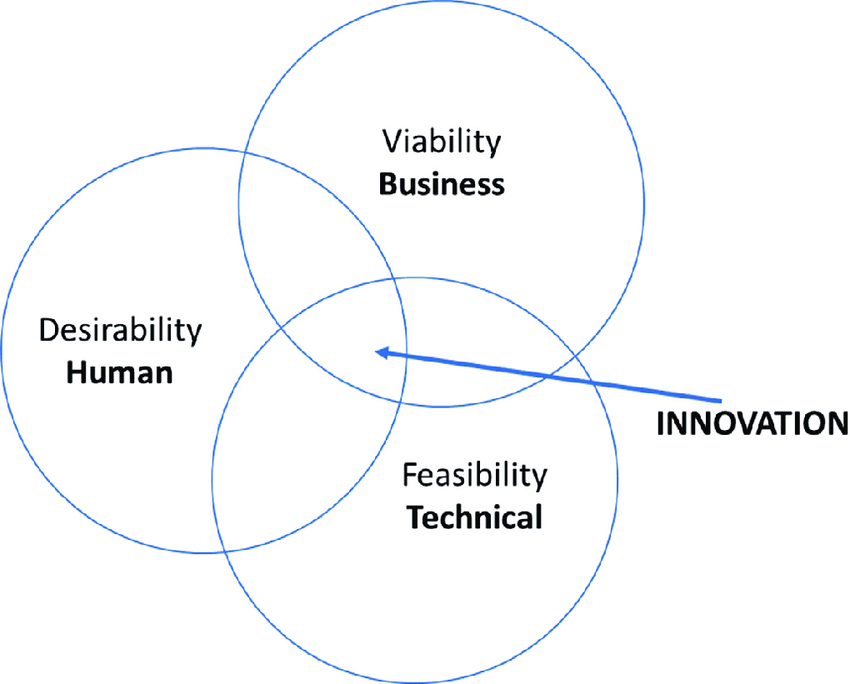
[Brown, T., 2009. Change by Design: How Design Thinking Creates New Alternatives for Business and Society. New York: HarperBusiness.]
It is now necessary to understand foundational concepts in service design tools because it helps identify and address the real needs of citizens and ensures that services are user-centric and effectively designed (Parker and Heapy, 2006). As explored below, it is related to effectively integrating with public policy platforms integration is vital for developing public services that are not only efficient but also highly responsive to the diverse needs of citizens. To clarify more about the key methodologies that are commonly known like personas, user journey, and service blueprinting, systematic approaches to understanding user experiences, and optimizing service delivery (Bitner et al. 2008). As we shall see, there are a lot of service design tools, which utilize lead to will describe the definition and the objective of using each tool.
Firstly, Personas, are fictional characters created based on user research to represent users who might use a service. It helps designers and stakeholders understand and empathize with users’ needs, behaviors, goals, and pain points. By using personas, service designers can create more targeted and effective solutions tailored to the specific needs of different user groups.(Stickdorn et al., 2018). Furthermore, Personas helps to keep the design process user-focused by ensuring that the final service meets the diverse needs of its intended audience. Secondly, it is important to understand the flow of the user journey, which is a narrative or visual representation of the actions a user takes when interacting with a service. It maps out the user’s experiences, emotions, and touchpoints throughout the entire service process, identifying areas of improvement and opportunities for enhancing the user experience. service blueprinting as a method providing a comprehensive view of service delivery systems (Blomkvist and Holmlid 2010). These methodologies help in crafting services that are user-friendly efficient seamless of user experience. Thirdly, the Service Blueprint is a strategic tool used to map out end-to-end of the customer journey and the supporting processes helping to identify gaps and optimize the overall experience (Bitner, Ostrom, and Morgan, 2008). In particular, the application of service design in the public sector aims to foster more user-centric and efficient public services (Osborne et al 2016).
Human-Centric
As we shall see, service design theories rely on a human-centric approach. In the following section, I will delve into “Why we need to focus on Human-Centric Design?” The human-centric concept is essential because it understanding users’ needs, behaviors, and preferences, leads to products that are more intuitive and user-friendly, thereby enhancing user satisfaction and engagement (Norman, 2013). Additionally, products developed with a focus on users are more likely to achieve higher adoption and retention rates, as they address real problems in ways that are both meaningful and accessible from user’s requirement (Cooper et al., 2007). Moreover, by deeply understanding users’ pain points, human-centric design fosters innovation, uncovering new opportunities and inspiring creative solutions (Brown, 2009).”
Creating a product without utilizing a human-centric concept can lead to several negative outcomes. Firstly, the product may suffer from a lack of usability. The product may not meet the needs and expectations of users, leading to frustration and reduced usability. Users may find it difficult to navigate, understand, or interact with the product. Secondly, there may be a poor user experience. Without considering user experience, the product may fail to engage users effectively. This can result in low user satisfaction and loyalty, ultimately affecting the product’s success in the market. Thirdly, increased costs can be a consequence. Ignoring human-centric design can lead to increased costs in the long run. Products that do not meet user needs may require more revisions, customer support, and marketing efforts to gain acceptance. Moreover, the product may experience low adoption rates. Users are less likely to adopt a product that does not address their needs or provide a positive experience. This can result in low sales and a poor return on investment. Additionally, a negative brand image can develop. A product that is not user-friendly can damage the reputation of brand. Users may associate the brand with poor design and functionality, affecting the overall perception of the company. Finally, there are missed opportunities. By not focusing on the human aspect, companies may miss out on valuable insights and innovations that could differentiate their product in the market. (Norman 2013; Brown, T. 2009; Kujala, S. 2003).
In summary, this chapter has presented a comprehensive literature review on service design, covering its historical evolution, foundational principles, and key methodologies, and explored tools like personas, user journeys, and service blueprints to highlight the discipline’s user-centric approach. This overview demonstrates the critical role of service design in enhancing services across various sectors, particularly in the public domain, where it aims to meet diverse citizen needs efficiently.
Marketing and Communication
Moving forward, the literature review on the integration of promoting a virtual policy platform requires the application of marketing and communication principles, which plays a crucial role in shaping public perceptions and attitudes toward policy initiatives.
One such, scholars have explored various marketing strategies in public policy promotion, such as segmentation, targeting, and positioning (Vedel, 2017). These strategies are essential for ensuring that public policies are well-received and supported by the populace. Firstly, the role of marketing campaigns, which is effective marketing campaigns has the potential to mobilize support, generate awareness, and influence public opinion on policy issues (Maibach & Van Duyn, 2019). One common strategy is the marketing funnel, a model that illustrates the theoretical customer journey from awareness to purchase. It helps to understand and visualize the process of attracting potential customers, engaging them, and ultimately converting them into loyal clients. Moreover, the funnel is typically divided into several stages, which may vary slightly depending on the specific framework used, but generally include awareness, interest, consideration, intent, evaluation, purchase, and post-purchase (Kotler et al., 2016; Chaffey & Ellis-Chadwick, 2019). Secondly, promoting the campaign by using social media channels has expanded the communication landscape, providing new channels for governments to engage with citizens (Gil de Zúñiga et al., 2020). Likewise, effective communication tactics impact engagement and participation from the public. As demonstrated above, the concept of citizen engagement and participation is central to developing effective public policy platforms. Scholars emphasize the importance of involving citizens in decision-making processes to ensure policies are responsive to their needs and preferences (Gastil & Levine, 2018). Lastly, The integration of service design and digital platforms presents challenges such as technical barriers, cultural resistance, and data privacy concerns. Overcoming these challenges is crucial to realizing the potential benefits of enhanced citizen engagement and service delivery (Osborne et al., 2016; Mergel, 2016; Lips, 2019). Addressing these obstacles requires a concerted effort to adapt and innovate within the public sector.
To sum up, this initiative emphasises how crucial it is to use communication and marketing concepts while promoting a virtual policy platform. We have shown how marketing efforts and the marketing funnel may successfully mobilise support and shape public opinion on policy problems by analysing their respective roles by promoting on social media platforms that highlight the need for unique communication strategies providing more channels for citizen-government interaction. To increase citizen involvement and enhance service delivery, it is necessary to address the difficulties in integrating digital platforms and service design
Case Studies
Having considered the role of service design tools in supporting marketing and communications in order to show the clear picture in this session will bring the successful case of service design tools, marketing, and communications, and integrate service design and marketing and communications in the public sector project for comprehensive understanding of the synergistic effects of these elements in enhancing public sector services.
Service Design Case Studies 1: Public policy platform “Futurium”
This section identifies digital platforms that offer avenues for transforming policymaking processes by enhancing transparency, collaboration, and citizen engagement (Mergel,2016) highlights digital platform potential to democratize policymaking by broadening participation. Specifically, we will refer to Futurium, an interactive policy-making platform developed by the European Commission, which engages citizens and stakeholders in the policy development process. This platform allows for the co-creation and discussion of policies, facilitating two-way interaction between policymakers and policy users, such as citizens, businesses, and other stakeholders (European Commission, 2023).
Firstly, User Engagement and Participation: Futurium is designed to foster active participation from a wide range of users. Citizens, businesses, researchers, and other stakeholders can join the platform, participate in discussions, and provide feedback on various policy topics. The platform features forums and discussion boards where users can comment on policy proposals, suggest improvements, and share their perspectives. Secondly, the platform enables collaborative policy making by allowing multiple stakeholders to contribute to the policy development process. This includes brainstorming sessions, collaborative drafting of policy documents, and agreement-building activities. Policy makers use insights and suggestions from users to refine and adjust policy proposals, ensuring that they are more aligned with the needs and expectations of the public. Thirdly, Futurium promotes transparency by publicly making policy discussions and documents available. Users can track the progress of policy development, see how their input is being used, and hold policymakers accountable. Regular updates and reports are provided to inform users about the status of various policy initiatives and the impact of their contributions. Finally, the Inclusive approach, which platform aims to be inclusive, providing equal opportunities for all citizens to participate in the policy-making process. It includes features like multilingual support and accessibility options to ensure usability by people with different backgrounds and abilities. Special efforts are made to engage underrepresented groups and ensure their voices are heard in the policy-making process.
As we shall see, the impact of the human-centric design approach manifests in various ways. Firstly, the approach enhances policy relevance by involving users directly in the policymaking process. For instance, platforms like Futurium ensure that policies are more aligned with the actual needs and concerns of the public, resulting in more relevant and efficient outcomes (Brown, 2009). Secondly, it fosters improved trust and legitimacy. The transparent and participatory nature of such platforms helps build trust between the public and policymakers. This transparency not only demystifies the policymaking process but also strengthens the legitimacy of the policies being developed, as stakeholders feel their voices are heard and considered (Norman, 2013). Lastly, the approach contributes to better policy outcomes. By integrating diverse perspectives and expertise into the policymaking process, human-centric design promotes a more comprehensive and well-rounded approach. This collaborative method ensures that policies are informed by a broad range of insights, leading to more effective and balanced solutions (Cooper et al., 2007).
Marketing Funnel Cas Study 2: Marketing Funnel to Enhance Engagement with Virtual Policy Platform: “CityGov”
In this case study, we explore CityGov’s implementation of the virtual policy platform, “EngageCity,” and how a structured marketing funnel was employed to enhance public engagement. This analysis focuses on how strategic marketing and communication efforts facilitated the platform’s successful adoption and utilization.
Firstly, the core objective of the EngageCity project was to increase awareness. CityGov aimed to educate the public about the platform and its benefits. This initial phase was crucial for laying the groundwork for broader engagement, ensuring that residents were informed about how EngageCity could impact their involvement in policy discussions (Kotler and Keller, 2016). Secondly, CityGov focused on driving engagement. This step involved encouraging residents to actively participate in policy discussions and feedback processes facilitated by EngageCity. By leveraging targeted communication strategies, CityGov worked to stimulate interest and interaction among the community, thereby fostering a more active and participatory public (Dixon, 2015). Finally, the project sought to collect actionable feedback. Gathering detailed and meaningful feedback from residents was essential for informing policy decisions and refining the platform’s features. This phase enabled CityGov to utilize insights from the public to make data-driven improvements and adjustments to policies and the platform itself (Linders, 2012).
Moving forward, CityGov implemented a marketing funnel to guide their approach. This funnel provided a structured methodology for attracting, engaging, and converting residents, thereby enhancing the effectiveness of the engagement strategy. The accompanying diagram illustrates each stage of the marketing funnel, detailing how CityGov’s strategic approach led to successful outcomes (Kotler and Keller, 2016).
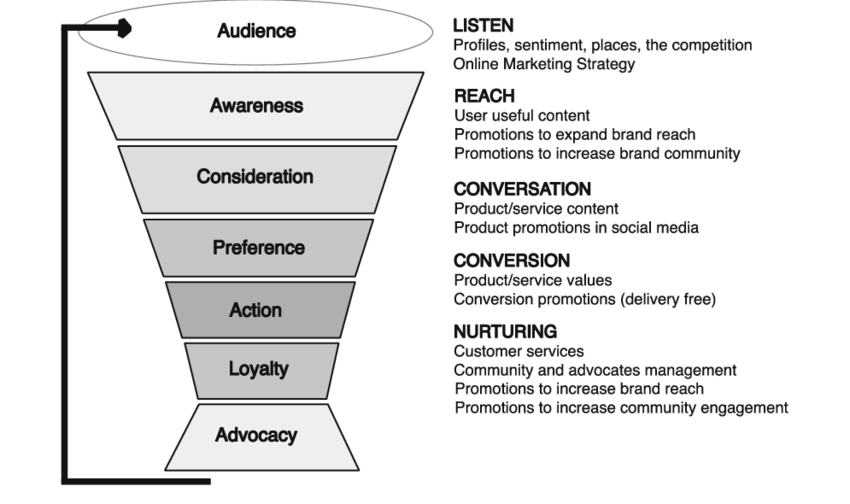
Rogers, K. (2013) ‘Marketing funnel review
In particular, CityGov utilized social media platforms like Facebook, Twitter, and Instagram in the Awareness Stage (Top of the Funnel) to create an initial publicity. Specifically, they posted teaser content, countdowns, and informative videos to raise awareness about the platform. Additionally, press releases were issued to local media outlets to announce the launch and highlight the benefits of EngageCity. Moreover, to extend their reach, targeted ads were deployed on social media and local news websites, aiming to engage a broader audience. This multi-channel approach aligns with the recommendations of Smith (2020), who emphasizes the importance of diversified media usage in the awareness stage.
Following the Preference and Consideration Stage (Middle of the Funnel) saw CityGov focusing on email marketing by sending newsletters and updates to residents who subscribed through an initial sign up campaign. These communications provided detailed information about the platform and upcoming virtual events. Additionally, engaging content, such as blog posts, explainer videos, and infographics, was created to demonstrate the functionality and benefits of EngageCity. Furthermore, collaboration with local influencers and community leaders helped endorse the platform by sharing their personal experiences with it. According to Johnson & Smith (2021), leveraging influencers can significantly enhance credibility and user interest during the consideration phase.
Next, in the Decision Stage (Bottom of the Funnel), CityGov organized various virtual events, including webinars, live Q&A sessions, and virtual town halls, to showcase the platform’s features and address residents’ questions. Moreover, success stories and testimonials from early users were shared to build trust and credibility, demonstrating the platform’s tangible benefits. This approach is supported by Williams (2022), who suggests that customer testimonials can be powerful tools in the decision-making process.
In the final Action Stage (Conversion), CityGov took steps to maintain engagement and facilitate a smooth user experience by simplifying the registration and onboarding process. Additionally, follow-up emails and notifications were sent to remind residents to participate in ongoing policy discussions and provide feedback. The structured marketing funnel strategy led to impressive outcomes. Specifically, within the first three months, the EngageCity project attracted over 50,000 users, resulting in high adoption rates. Participation in policy discussions and surveys increased by 300%, and residents provided valuable feedback that helped refine policies. Moreover, extensive positive coverage from local media further enhanced the platform’s credibility.
In summary, CityGov’s use of a marketing funnel, supported by strategic communication efforts, effectively enhanced public engagement with the EngageCity platform. The structured approach facilitated the successful adoption and use of the platform, leading to more informed and inclusive policy-making processes (Harvard Business Review, 2020; Johnson & Smith, 2021; Williams, 2022).
Integration of Marketing and Service Design Case Studies 3: “Change4Life”
An example of a public sector project that effectively integrates marketing and service design is the UK’s National Health Service (NHS) “Change4Life” campaign. This initiative was launched to improve public health by encouraging healthier lifestyles among citizens, with a particular focus on reducing obesity.
Marketing Strategy: The campaign employed several marketing strategies to reach its goals. Firstly, it developed colorful and engaging branding to create a recognizable identity and attract attention. Secondly, a multi-channel promotion strategy was utilized, leveraging TV advertisements, social media, public events, and partnerships with schools and local organizations to reach a broad audience. Thirdly, the campaign crafted targeted messaging for different demographics, such as children, parents, and the elderly, to address their specific health concerns and motivations (Public Health England, 2018).
Service Design: The integration of service design in the campaign involved several key activities. Initially, comprehensive user research was conducted to understand the behaviors, needs, and barriers different user groups faced in adopting healthier lifestyles. Following this, journey mapping was used to create detailed user journey maps, identifying key touchpoints where interventions could be most effective. Additionally, various service touchpoints, such as mobile apps, informational websites, and community workshops, were prototyped and tested to ensure they effectively engaged users and facilitated behavior change. Finally, feedback loops were implemented to allow for ongoing feedback from users, which helped in continually refining and improving the services offered (SpringerLink, 2022; The National Social Marketing Center, 2022)
Outcomes: The campaign’s successful integration of marketing and service design led to increased public awareness and engagement with health improvement resources. Reports indicated a positive shift in behaviors, such as increased physical activity and better dietary choices among the target groups. The scalable design of the campaign also allowed it to be adapted to different regions and communities, further extending its impact (Wrieden & Levy, 2016).
Summary of Learning from Literature Review
A comprehensive understanding of the structure and use of service design tools, particularly in public sector platforms, was given by the literature review. In addition to highlighting the service design’s fundamental human-centricity, it pointed to knowledge gaps in the field, particularly with regard to how service design integrates with marketing and communication tactics. Research questions that seek to go deeper into these intersections have been created as a result of this case study review.
Research Questions
The study is structured around several key research questions, as outlined below:
- Effectiveness of Service Design: Tools: What types of service design tools are most effective in supporting the marketing and communication of public sector policy platforms?
- Impact on Stakeholder Engagement: How do these service design tools influence stakeholder engagement and public perception of policy platforms?
- Familiarity with Service Design Tools: Are staff members within public sector platforms familiar with the application of service design tools?
- Alternative Tools and Preferences: If service design tools are not the primary choice, what alternatives do professionals initially consider, and why are these alternative tools preferred over service design tools?
- Implementation Challenges and Best Practices: What are the challenges and best practices in implementing service design tools for marketing and communication within public sector platforms?
In summary, the review of the literature has been crucial in assisting with the development of the research questions that will guide this investigation. The review has revealed areas that require additional exploration through a thorough analysis of the body of knowledge presently available on public sector platform service design tools, marketing, and communication. With this foundation, a more thorough examination of the benefits, challenges, and best practices of integrating service design tools into public sector policy platforms may be conducted. The objective of this research is to provide insightful knowledge that will improve the use of these technologies in practical settings.
METHODOLOGY
In the previous section, I reviewed the literature on service design tools and their application in marketing and communication within public sectors, incorporating successful case studies to illustrate impact of the project. This review allowed me to frame and refine the research questions that will guide the subsequent phases of my study. Moving forward, I implemented these research questions under the framework titled
“Research Methodology: Service Design Tools Supporting Marketing and Communication of Virtual Policy Platforms.”
To address the research objectives, I employed a mixed-methods approach. This involved deconstructing the research questions to better analyze and interpret the findings from both in-depth interviews and workshops, thereby ensuring a comprehensive understanding of the subject matter. ****Further on the research approach and gain deeper insights into the use of service design tools in the marketing and communication of public sector policy platforms, I will employ direct workshop as a key data collection method.
This workshop will focus on the project work and communication practices of professionals involved in policy platforms. The primary objective of this observational methodology is to provide a comprehensive understanding of the practical application and impact of service design tools within the public sector’s marketing and communication strategies. In addition, the Virtual Policy Platform (VPP) case study will be selected as a representative example to analyze the integration of service design tools. This case study will be instrumental in identifying best practices and lessons learned, offering valuable insights that can be applied to similar public sector projects.
Expected Outcomes
To begin with, participants will gain a clear understanding of the current practices used in public sector policy platforms. This foundational knowledge is crucial as it sets the stage for evaluating the effectiveness of service design tools within these platforms (Stickdorn et al., 2018). The next phase will involve a thorough evaluation of how effectively service design tools are currently being utilized. This evaluation will provide critical insights into their impact on marketing and communication efforts, highlighting areas where these tools may excel or require improvement (Kimbell, 2011; Meroni & Sangiorgi, 2011). Additionally, explore alternative tools to service design, identifying their potential advantages over traditional methods. This exploration is intended to offer new perspectives on the application of different tools within the public sector, proposing innovative solutions to existing challenges (Brown, 2009). Furthermore, a key outcome of the workshop will be the identification and compilation of challenges encountered during the implementation of service design tools. Alongside these challenges, participants will document best practices that have been effective in overcoming these obstacles and enhancing overall effectiveness (Junginger, 2013).
Afterwards, the workshop will result in the creation of practical suggestions. These suggestions aim to increase the public sector’s use of and effectiveness with service design tools by offering practical steps that may be taken to improve results (Clatworthy, 2013). Finally, the workshop will provide valuable insights into how service design tools influence stakeholder engagement and public perception. Understanding these dynamics is critical for public sector policy platforms aiming to enhance their communication strategies and service delivery (Bason, 2017).
Thus, It is expected that this thorough approach, combined with workshop activities and VPP case study analysis, would produce insightful information about the uptake, efficacy, and room for improvement of service design tools in the public sector.
The objective of this workshop is to investigate the adoption and effectiveness of service design tools in the marketing and communication of public sector policy platforms. Specifically, the workshop will identify the challenges and best practices associated with these tools, emphasizing their practical application and potential for improvement.
| Session | Duration | Participants | Activities | Materials Needed |
| Introduction | 5 minutes | Project Manager Developer Researchers | Opening remarks: Check-in: How do you feel? Workshop introduction | Ethical Consent form |
| Session 1: Motivation Reflection | 15 minutes | Individual Task: Draw the Motivation Line of the project | Laptops/tablets for digital collaboration | |
| Session 2: Individual Sharing | 15 minutes | Individual Reflection: What is your experience of using these tools? What is your insight or finding of using it? What can we do better to use tools next time? | Laptops/tablets for digital collaboration | |
| Conclusion | 10 minutes | Summary of key points | – | |
| Closing Remarks | 5 minutes | Closing remarks Check-Out: What is drink describe you now? | – |
In the previous section, I reviewed the literature on service design tools and their application in marketing and communication within public sectors, incorporating successful case studies to illustrate impact of the project. This review allowed me to frame and refine the research questions that will guide the subsequent phases of my study. Moving forward, I implemented these research questions under the framework titled
Turning to the methodology, the in-depth interview session will aim to gain deeper insights into individual experiences with service design tools. Specifically, this session will utilize detailed narratives and personal perspectives from the same target audience as the workshop participants to provide a comprehensive understanding. The interview technique will involve exploring these narratives to uncover valuable insights and perspectives on the use of service design tools.
| No. | Interview Questions | Participants |
| 1. | Can you describe your experience with using service design tools? | Project Manager Developer Researchers |
| 2. | Do you think service design tools support marketing and communication of policy platforms? | |
| 3. | What specific tools do you find most effective, and why? | |
| 4. | What challenges have you encountered in adopting these service design tools? | |
| 5. | How do these tools impact stakeholder engagement and public perception? |
Following the methodology workshop and in-depth interviews, I have summarized the insights below, separating each part before integrating them. The reason for this approach is that conducting both workshops and in-depth interviews provides a comprehensive understanding of the adoption and effectiveness of service design tools (Smith, 2020).
Now that the methodology has been discussed, we will look at how important it is to involve participants in both workshops and deep conversations to have a thorough grasp of the acceptance and success of service design tools.
Beginning with workshops engage participants in a collaborative environment, encouraging group discussions and collective brainstorming (Brown, 2018). In this environment, group dynamics can be observed, quick feedback can be given, and ideas that would not come up in private conversations might be generated. On the other hand, in-depth interviews provide a more intimate and detailed exploration of individual experiences (Jones, 2019). In the same way, without the influence of group dynamics, people can exchange personal thoughts and opinions, providing a greater knowledge of their distinct points of view.
Next, significantly deeper understandings were obtained using both techniques. First of all, facilitating the workshop can collect a broad range of ideas and insights from multiple participants while encouraging innovation and creativity through collaborative activities (Taylor, 2017). In contrast, in-depth Interviews allow for the gathering of comprehensive and complex data, revealing fundamental reasons, difficulties, and introspective thoughts that may be overlooked in a group context (Williams, 2021). Moreover, when using two methods allows for verification and confirmation. Workshop discoveries can be further explored and validated by in-depth interviews, leading to a more complete and reliable understanding of the subject in question. (Johnson, 2020). Follow with a comprehensive understanding is achieved. The workshop provides a snapshot of collective attitudes and behaviors, highlighting common themes and shared experiences among participants (Miller, 2019). Conversely, in-depth Interviews offer a detailed and comprehensive understanding of individual experiences, adding depth to the collective insights gathered from workshops (Smith, 2020).
Lastly, workshops enhanced engagement is facilitated to create an engaging and dynamic environment that can motivate participants and foster a sense of community and collaboration (Brown, 2018). In contrast, in-depth Interviews offer a more personalized and focused setting, allowing participants to feel heard and valued, which can lead to more honest and detailed responses (Jones, 2019). Combining the results of the two approaches produces a more comprehensive and detailed image of the application and influence of service design tools, ensuring a comprehensive study
In conclusion, the integrated research approach provided a comprehensive view of how service design tools can be leveraged to improve public sector marketing and communication. These insights will guide future efforts to enhance public engagement and policy-making processes.
Informed Consent
Before embarking on the research process, I ensured that all necessary ethical considerations were addressed, beginning with obtaining informed consent from all participants. This step was crucial as it safeguarded the participants’ rights, particularly concerning their privacy and the confidentiality of their data. Ethical consent is a fundamental aspect of conducting both group and individual research, ensuring that participants are fully aware of the research scope and their involvement.
In conclusion, I was able to conduct the research with truthfulness, guaranteeing that participant rights were respected and that the data acquired remained private and secure throughout the study, by placing a high priority on ethical issues and acquiring informed consent.
Working Process (Primary Resources)
In my role, I am responsible for managing marketing and communication efforts and developing a marketing strategy that is closely aligned with a service design approach. This integration is essential because it ensures that campaigns are firmly grounded in knowledge of user requirements and actions, improving the user experience as a whole. The insights gathered from this approach, particularly regarding user interactions with our website, have enabled my team and me to effectively highlight and market the features most relevant to our target audience. This data-driven strategy allows us to tailor our messaging and positioning to better meet user expectations and drive engagement.
Various tools have been utilized throughout the project to achieve these outcomes. These tools have served as primary resources, and I will further elaborate on the learnings and limitations associated with each of them. By reflecting on the efficacy and constraints of these tools, we can refine our strategies and optimize our approach to service design and marketing integration.
Service Design Tools:
- Persona (created by Mad.)
- Service Blueprint
- User Journey
Marketing and Communication Tools:
- Marketing Funnel
- Content Action Plan
- Content Pillar
- Social Media Personas
TOOLS APPLIED IN A PROJECT
Starting with the Service Design Tool at the outset of the project, we encountered several unknown and hidden tasks, compounded by a complex stakeholder environment. To address these challenges, we employed Service Blueprinting tools to map out the touchpoints at each stage of our work. This approach has been instrumental in clarifying processes, identifying key interactions, and managing stakeholder expectations more effectively.
Service Blueprint
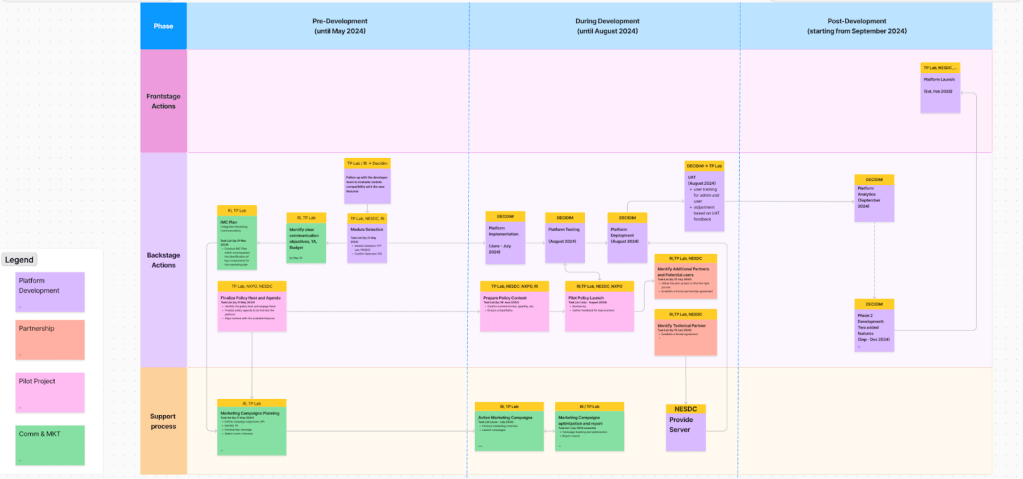
Learning: The Service Blueprint is an invaluable tool that facilitates the identification of tasks and touchpoints across both frontend and backend operations. By providing a comprehensive view of the project process, it allows for a thorough understanding of the entire project lifecycle. This knowledge makes it easier to estimate the time and effort needed for each task and to identify the key stakeholders engaged at different phases. Furthermore, service blueprints are instrumental in mapping out service processes, which enhances operational efficiency and stakeholder alignment (Bitner, Ostrom, and Morgan, 2008)
Limitation: Even though using the Service Blueprint early in a project has advantages, it can cause gaps in the process. Early adoption may miss unforeseen elements or hidden tasks that become apparent later in the project. This absence may lead to unexpected difficulties and incomplete task identification. The service design tools must be revisited and refined throughout the project to address emerging complexities (Patrício, Fisk, and Constantine, 2011).
Suggestion: It is advised to often review and update the Service Blueprint at different project stages pre-phase, middle phase, and post-phase to maximize its usefulness. This iterative method makes sure that every work is completed and permits plans to be modified to take into account current information and difficulties. The project team may make greater use of the blueprint as a framework for determining user touchpoints and ensuring a thorough comprehension of the service process by continuously improving it.
Personas
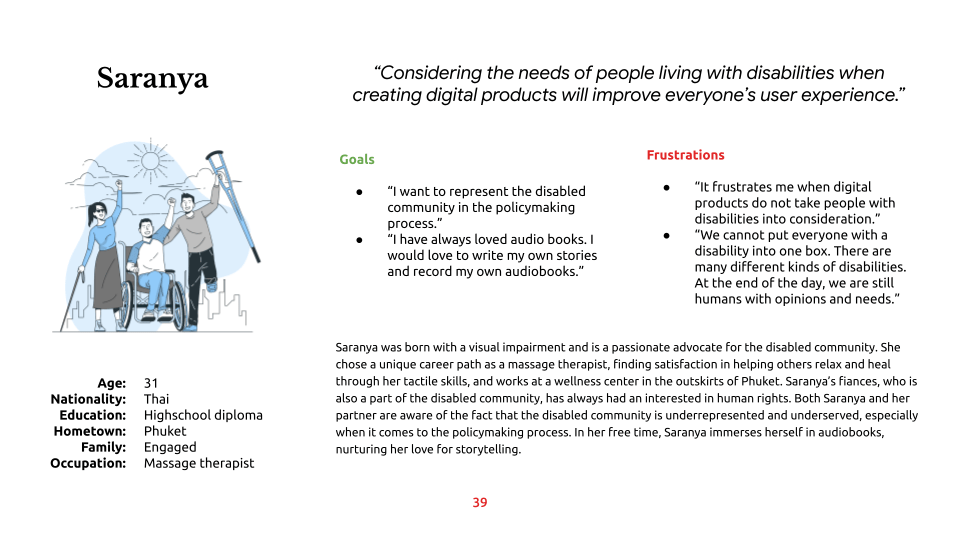
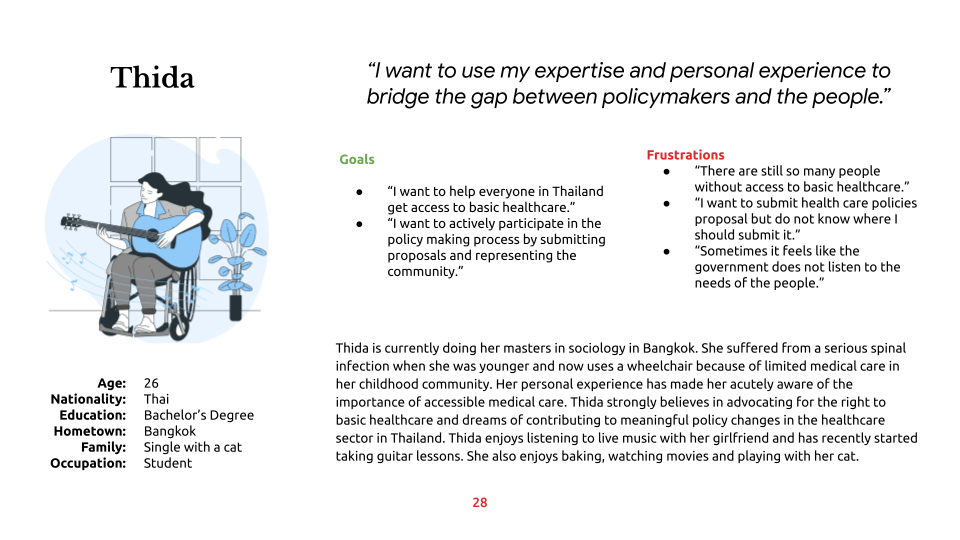
Developed by Mäd Creative, Inc.,
Learning: The personas developed by Mäd Creative, Inc., under the guidance of Angelique Delamere, Junior Partner & Head of Design, were instrumental in shaping the focus of our target audience. These personas were based on a gap analysis report generated from workshop research, providing a detailed and nuanced understanding of user needs and behaviors. According to Cooper et al. (2014), personas are a powerful tool in user-centered design, allowing designers to empathize with users and tailor solutions to meet their specific needs. By utilizing these personas, I was able to clearly define and focus on the key target groups for our project, ensuring that our design and development efforts were aligned with user expectations.
Limitation: While the personas provided valuable insights, there were limitations related to their development and application. The personas were created based on a single set of workshop research, which may not fully capture the diversity of our user base. This limitation underscores the importance of continuously updating personas with new data to maintain their relevance and accuracy. As Pruitt and Adlin (2006) highlight, personas should evolve to reflect changes in user behavior and preferences.
Suggestion: To address the limitations identified, it is recommended to conduct regular updates and validations of the personas using ongoing research and user feedback. This iterative approach will ensure that the personas remain accurate and useful throughout the project lifecycle. Additionally, expanding the scope of research to include a broader range of user experiences and perspectives will enhance the comprehensiveness of the personas. Incorporating these practices will lead to more effective and user-centered design outcomes, as suggested by Blomquist and Arvola (2002).
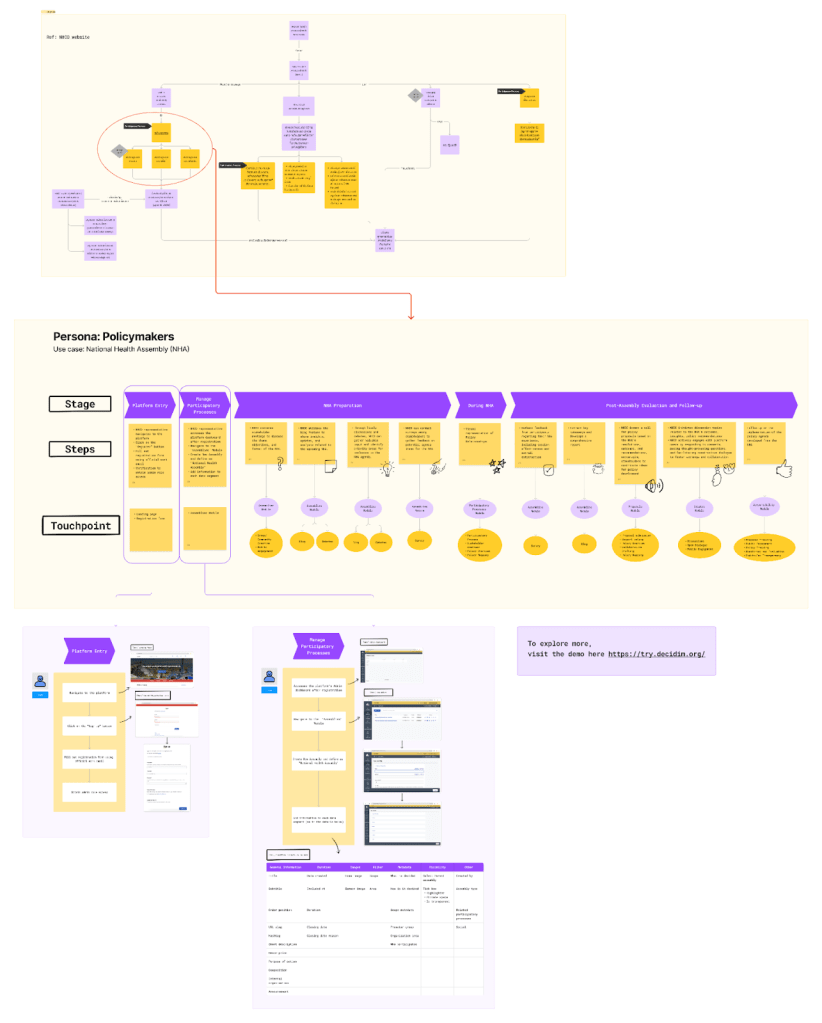
Next, we have divided the user journey into two primary focus areas: policymakers and policy users. To comprehend and outline the crucial components along with processes involved in how policymakers use the platform to produce campaigns, my team first created the policymaker’s user journey. Based on these insights, I subsequently developed the policy user’s journey. This comprehensive understanding of user interactions enables us to craft effective marketing content and tutorials that promote and facilitate user engagement with the platform.
User Journey: Policy Makers
User Journey: Policy Users
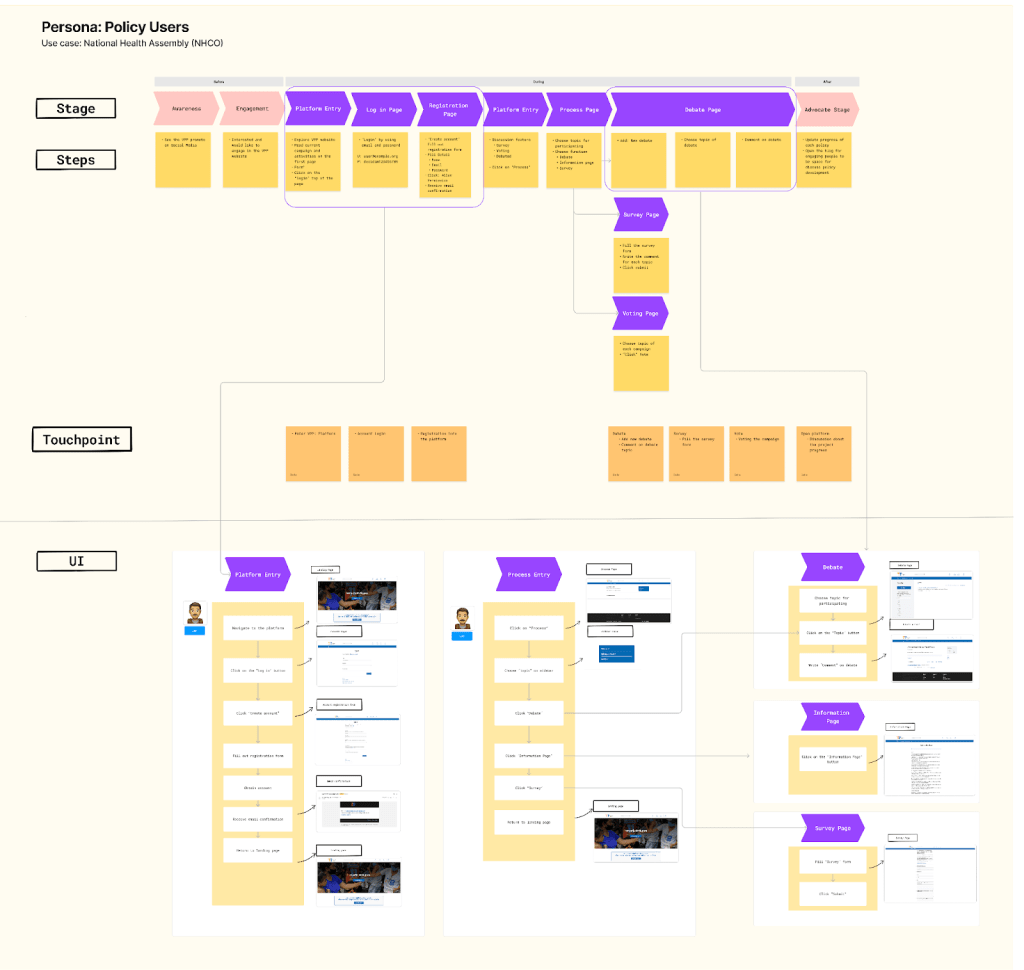
Learning: The implementation of user journeys for both policymakers and policy users has significantly enhanced our understanding of the overall process of using the platform. This dual approach allows for a comprehensive view of user interactions, which is crucial for optimizing the platform’s functionality and user experience. Complementary to this mapping out user journeys is essential for identifying user needs and pain points, thereby facilitating the creation of more user-centered solutions (Stickdorn and Schneider, 2012).
Limitation: There are complex nature of the technological elements required was one of the main difficulties faced. It was challenging for non-technical users to comprehend the platform’s operation. Likewise, This issue highlights the need for more intuitive design and user-friendly interfaces, as emphasized by (Norman, 2013) who advocates for the importance of usability in technology adoption. Additionally, integrating the platform for purposes beyond its initial scope requires a deeper technical understanding, posing further challenges.
Suggestion: The user journey has to be developed in combination with the platform development due to the project’s strict timeframe. The user journey was not finalized because of a few changes in functionality and phrasing caused by this concurrent operation. It is imperative that detailed training and the full integration of the policy user journey be postponed until after key platform components are completed. To guarantee stability and completeness, future projects should give more time to developing and improving user journeys before producing user manuals and marketing materials. This iterative development process is in agreement with agile approaches, which provide adaptable and flexible planning. (Beck et al., 2001).
Marketing Funnel
Moving forward to the Virtual Policy Platform (VPP) marketing and communication plan will be outlined in this section, with a particular focus on the digital marketing approach. Since the “OurPolicy” Platform is still in its early stages, we identify user stages using a marketing funnel method, which guides the creation of our strategy for actions (Kotler & Keller, 2016). The Digital Marketing Strategy is segmented into three phases, each targeting a specific stage of user engagement:
Initially, the Pre-Launch Phase (Awareness) focuses on generating awareness about the VPP among potential users and stakeholders. The primary objective here is to introduce the platform and its functionalities, creating initial interest and recognition (Chaffey & Smith, 2017).
Subsequently, the Launch Phase (Engagement) aims to actively engage the target audience during the launch period. During this phase, activities are strategically designed to involve users interactively, encouraging their participation and interaction with the platform’s features (Ryan, 2014).
Following the launch, the Post-Launch Phase (Advocacy) is intended to foster advocacy and sustained engagement. This phase emphasizes converting satisfied users into advocates who promote the platform, thereby driving ongoing user engagement and expanding the user base through word-of-mouth and shared experiences (Solomon, 2020).
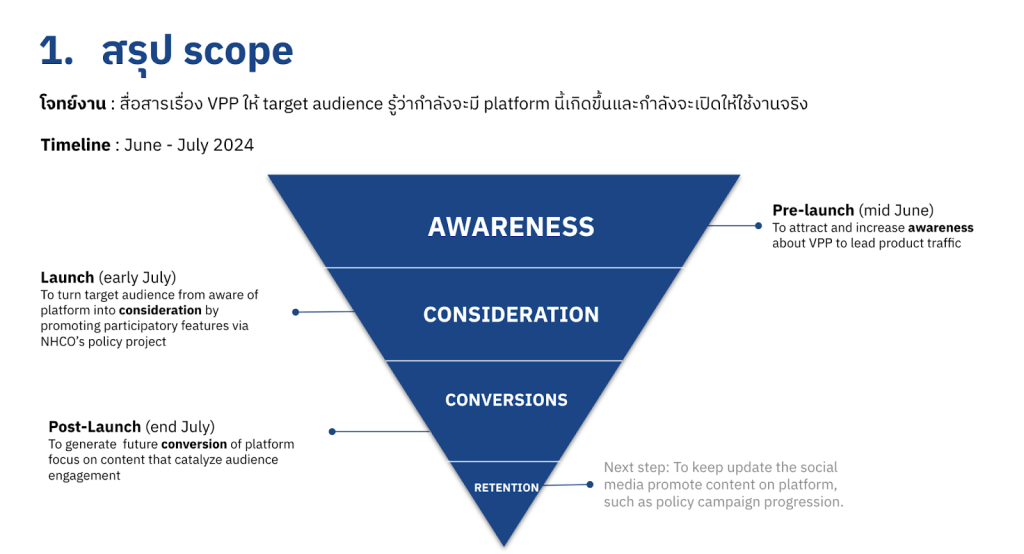
Learning: The phased approach to digital marketing, based on the marketing funnel method, has provided a structured framework for developing and implementing our marketing strategy. This approach has allowed us to systematically address different stages of user engagement, ensuring that our efforts are aligned with the platform’s growth and user needs (Kotler & Keller, 2016).
Limitation: One limitation encountered is the challenge of maintaining consistent messaging and engagement across different phases of the strategy. The dynamic characteristics of the platform may result in inequalities in communication, thereby impacting the way users perceive and interact with it. Maintaining coherence and adaptability in digital marketing strategies is essential for addressing such challenges (Chaffey and Smith, 2017)
Marketing Action Plan
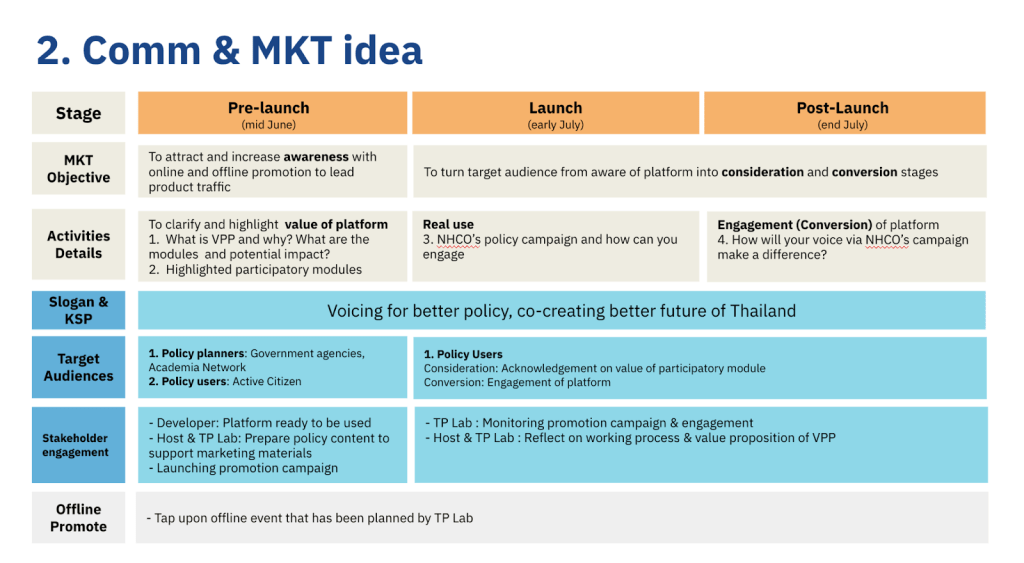
Learning: The development and implementation of the marketing action plan for the Virtual Policy Platform (VPP) have provided valuable insights into effectively engaging diverse user groups at various stages of the marketing funnel. This strategic approach has facilitated a structured understanding of user acquisition, engagement, and retention, aligning with best practices in digital marketing as outlined by Kotler and Keller (2016). By segmenting the marketing efforts into distinct phases awareness, engagement, and advocacy. we have been able to tailor our strategies to meet the specific needs and behaviors of our target audience, as supported (Chaffey & Smith, 2017).
Limitation: Despite the structured approach, several limitations were encountered. One significant challenge was ensuring the consistency and coherence of messaging across different phases of the marketing strategy. As the platform evolved, maintaining a unified communication strategy proved difficult, potentially leading to confusion among users. This issue is reflective of the dynamic nature of digital platforms, where continuous updates can disrupt established communication flows (Chaffey & Smith, 2017). Additionally, the short timeline of the project restricted our ability to thoroughly test and refine the marketing strategies before full implementation, which may have affected the overall effectiveness of our efforts.
Suggestion: It is recommended to adopt a more flexible and adaptive communication strategy that allows for real-time adjustments based on user feedback and platform changes. Regular monitoring and evaluation of the marketing efforts will enable us to identify and address inconsistencies promptly. Furthermore, extending the project timeline to include more extensive testing and iteration phases would provide a more robust foundation for the marketing strategy, ensuring greater alignment with user expectations and platform capabilities (Ryan, 2014). Incorporating continuous user feedback mechanisms will also enhance our ability to dynamically respond to user needs and preferences, thereby improving the overall effectiveness of the marketing action plan (Solomon, 2020).
Social Media Content Pillars
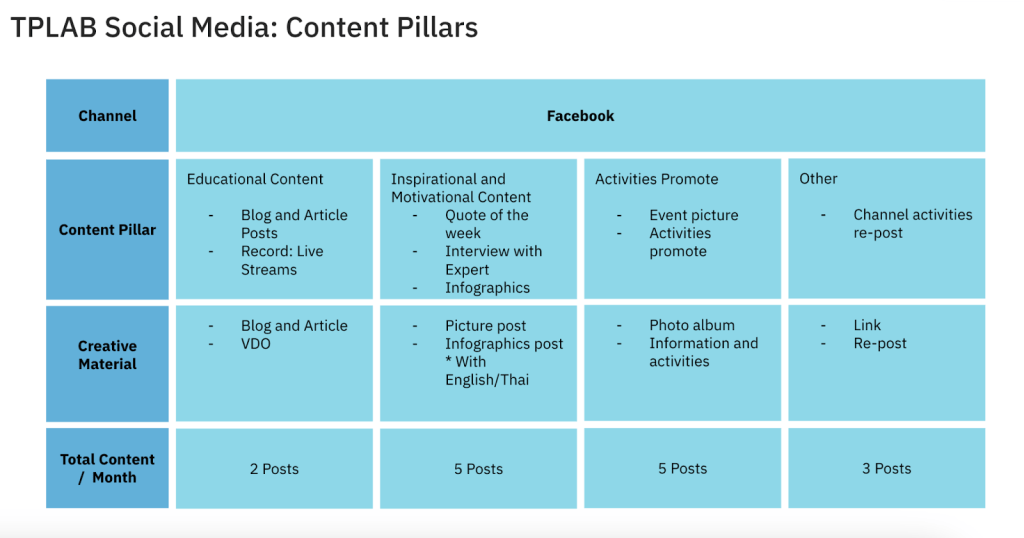
Learning: The adoption of social media content pillars has provided a structured framework for content creation and distribution. By categorizing content into distinct pillars, we were able to ensure consistency and relevance across all social media platforms. This approach facilitated targeted messaging that resonated with different segments of our audience, aligning with the principles of strategic content marketing (Pulizzi, 2014).
The use of content pillars also allowed for better content planning and resource allocation, ultimately enhancing our overall social media presence and engagement.
Limitation: Despite the advantages, implementing content pillars presented certain limitations. One notable challenge was balancing the various content pillars to ensure diverse and engaging content without overwhelming the audience. Additionally, the rigid structure of content pillars sometimes hinders spontaneous and reactive content creation, which is crucial for maintaining engagement on dynamic social media platforms (Kaplan & Haenlein, 2010). Furthermore, the content pillars needed to be regularly reviewed and updated to stay relevant to the evolving interests and behaviors of our audience.
Suggestion: To address these limitations, it is recommended to introduce a degree of flexibility within the content pillars framework. Allowing for spontaneous and real-time content creation alongside planned content can enhance engagement and responsiveness. Regularly reviewing and updating the content pillars based on user feedback and social media analytics will ensure continued relevance and effectiveness. Incorporating agile content strategies can further enhance our ability to adapt to changing trends and audience preferences, ensuring engagement and impact (Kanter and Fine, 2010)
Social Media Personas
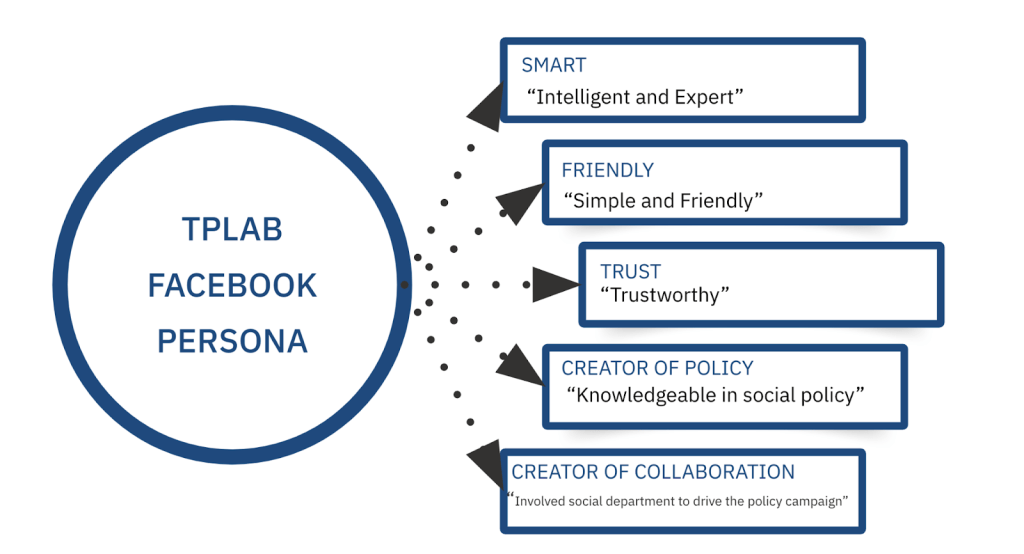
Learning: Integrating social media user personas has been crucial in understanding the characteristics of Facebook users relevant to our brand. By developing these personas, we gained insights into user behaviors and preferences, allowing us to create content that resonates effectively with our target audience. User personas are essential for creating user-centered content strategies. Consequently, we were able to tailor our promotional efforts on Facebook to align with the specific character and expectations of the platform’s users (Cooper et al., 2014).
Limitation: One significant limitation encountered was the restriction on certain types of content due to potential impacts on the brand image. This constraint highlights the delicate balance required in content creation, where maintaining brand integrity must be prioritized. Personas provide valuable guidance, they can sometimes oversimplify complex user behaviors, leading to cautious content decisions that might limit creativity and engagement (Pruitt and Adlin, 2006).
Suggestion: Relying solely on social media personas is insufficient for a comprehensive understanding of the online character of the brand. It is crucial to integrate additional information, such as the customer’s plans and their self-predicted developments, to create a more robust and dynamic content strategy. This multi-dimensional approach will enhance our ability to adapt to evolving user expectations and market trends. Combining personas with real-time data and continuous feedback mechanisms can significantly improve the accuracy and relevance of user insights, leading to more effective content strategies. (Blomquist and Arvola, 2002)
After completing the primary resource evaluation, which included reflecting on my personal experiences and recognizing the limitations inherent in them by conducting in-depth interviews with my coworkers, I aimed to obtain a wider viewpoint. This approach was intended to capture diverse viewpoints and enrich the research findings. Before conducting these interviews, I ensured that all participants were fully informed about the nature of the research and obtained their ethical consent, adhering to standard research protocols. This careful consideration of ethical standards not only protects participant rights but also reinforces the credibility and integrity of the research process.
Validate Insight
Finding: In-depth Interview
This session will present the findings from both the workshop summary and the in-depth interview summary. The results will be divided into two parts, followed by an integrated analysis to address the research question before moving on to the discussion. In my previous description of the project, I mentioned my role as an intern in the VPP project. From now on, I would like to elaborate on the team members I interviewed and observed in-depth. The members of our project team include an intern in marketing and communication, an IT developer, a researcher, and a project manager.
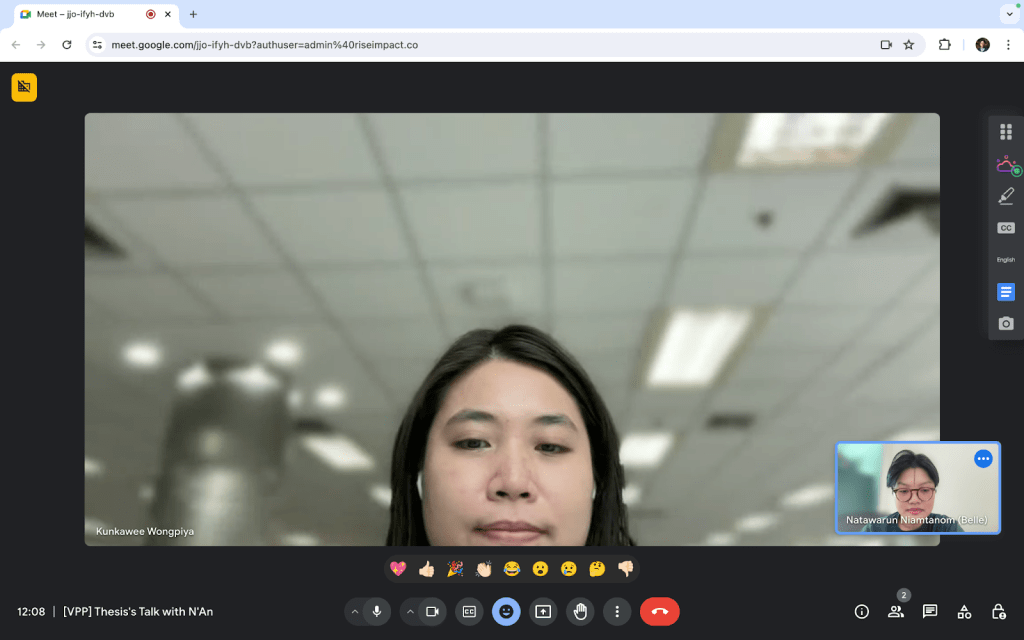
Interview with An Kunkawee, Researcher
Initially, I conducted an online in-depth interview with my colleague, An Kunkawee, who had assumed various roles in the VPP project. An was a researcher with extensive experience in utilizing Service Design Tools across different environments based on project requirements. Previously, she had employed the service blueprint for project research. The primary objective of using the service blueprint was to map out the front-end and back-end processes to identify touchpoints and opportunities for improvement at each step, including uncovering hidden tasks. Based on her experience, she noted that utilizing service design tools such as service blueprints, journey maps, and personas could be challenging in terms of identifying key achievements due to the lack of exact data for measurement. Additionally, she had experience working in digital marketing. She suggested that in marketing and communication roles, the work was typically divided between these two functions. However, service design tools facilitated a smoother connection between marketing and communication efforts.
This integration is visually represented in the diagram below
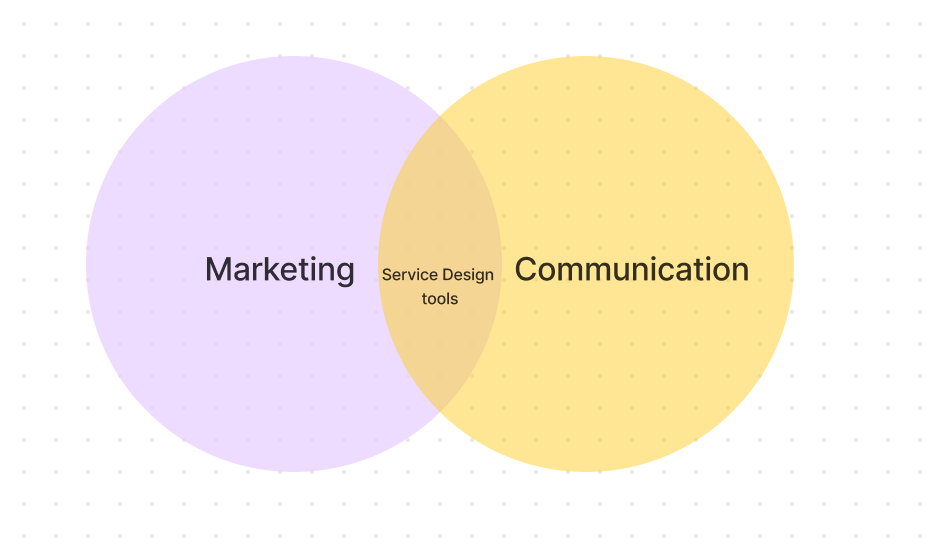
Suggestion: from An Kunkawee, Researcher:
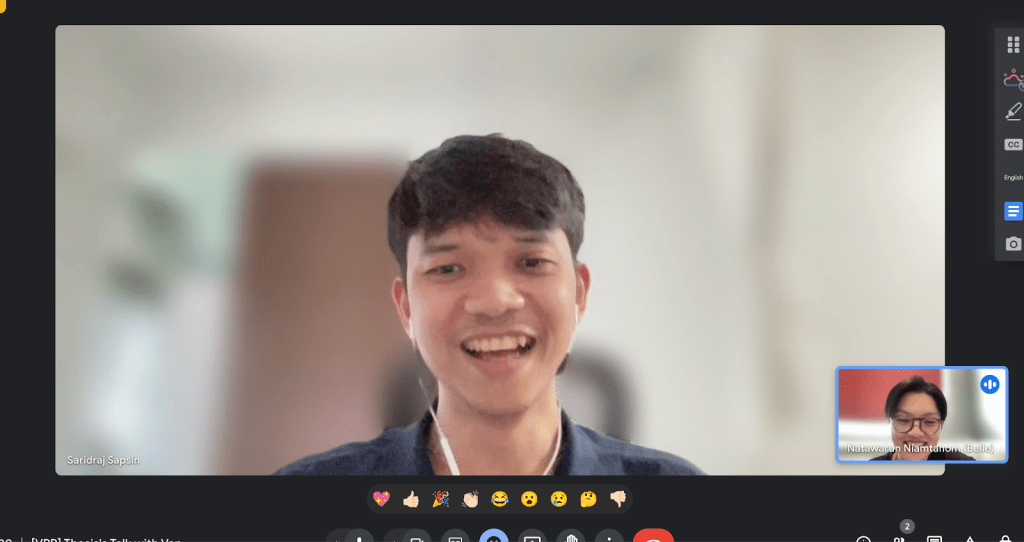
Interview with Vap Saridraj, IT Developer
Secondly, I interviewed Vap Saridraj, an IT Developer who had been instrumental in coordinating this project. Vap brought considerable expertise and experience in developing innovative platforms. Drawing on his background, Vap had extensive experience in creating innovations using design thinking methodology, often approaching it retrospectively.
Vap highlighted that design thinking is a framework centered on understanding customer needs through a human-centric approach to design. He noted that design thinking could be applied across various industries as it helps to understand problems through the design process. However, he also argued that design thinking is more suitable for new product development rather than existing product improvement. The rationale was that existing products come with current requirements, and utilizing the design thinking process might necessitate changes to the existing product to align with evolving user requirements.
Furthermore, as Vap worked in IT, I inquired about agile methodology. He described agile as a flexible framework that facilitates easy adaptation to the working environment. A key insight from this interview was Vap’s observation that employing cutting-edge tools in a project often required significant effort in learning, thereby increasing the learning curve for the team

Interview with Fah Montra, Project Manager and Co-Founder of Rise Impact Co., Ltd.
Lastly, I conducted a final interview with Fah Montra, the project manager for the VPP project and Co-Founder of Rise Impact Co., Ltd. Fah leveraged service design tools to add value during the research phase of her projects. She previously served as a mentor for hackathons during the incubation phase and provided consultancy to university student teams on transforming technology into viable business ideas. Fah employed service design tools like personas and user journeys to understand the target market for products by integrating user journeys with business model canvases. She emphasized that employing service design was a mindset-oriented approach, supported by a strong emphasis on the user.
However, Fah also identified several challenges associated with using service design tools. Firstly, she noted that significant effort was required to apply these tools, such as onboarding team members to ensure everyone was on the same page. She mentioned that service design often functioned as an add-on task rather than a primary task within projects. In time-constrained projects, service design added value but was not always prioritized. Finally, Fah highlighted that the effectiveness of service design depended on the context and size of the company. Smaller companies might lack the capacity to implement these tools fully. Additionally, Fah provided insights on integrating service design tools to manage various aspects of the company, such as talent acquisition.
Overall, the in-depth interviews provided insightful information about the distinct viewpoints and mental processes of every participant. My recognition of the team’s diversity of thought has been made possible by this deeper understanding, which has also improved my general awareness of the dynamics of the project and the various approaches to problem-solving. I am better able to handle the intricacies of the study and create more intelligent tactics going forward by incorporating these findings.
Finding: Workshop
It is now necessary to fully capture the viewpoints of the participants, I executed parallel in-depth interviews before the workshop due to the limited amount of time. The results of the workshop will now be presented in this section. The individual findings that follow are as follows:
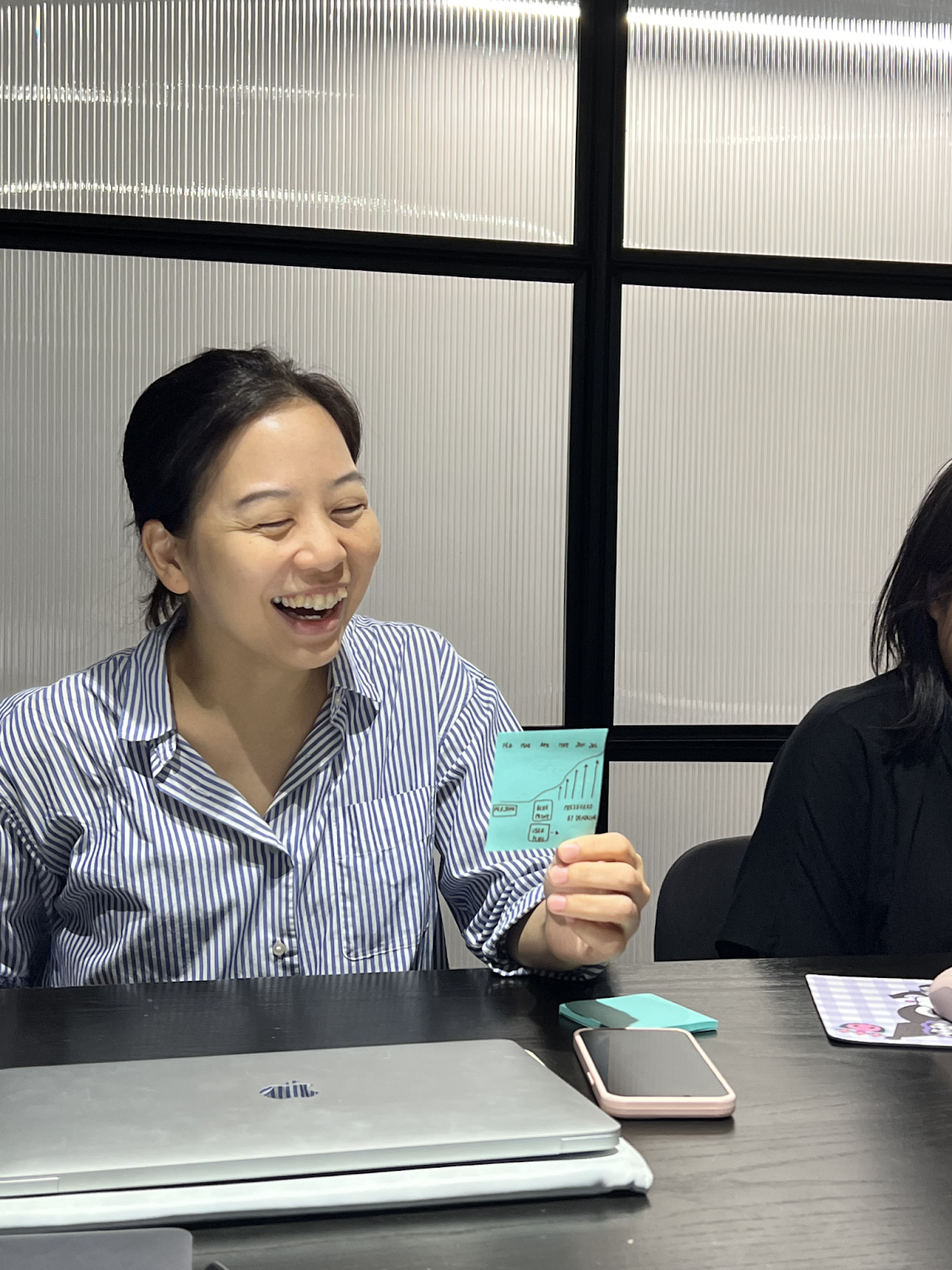
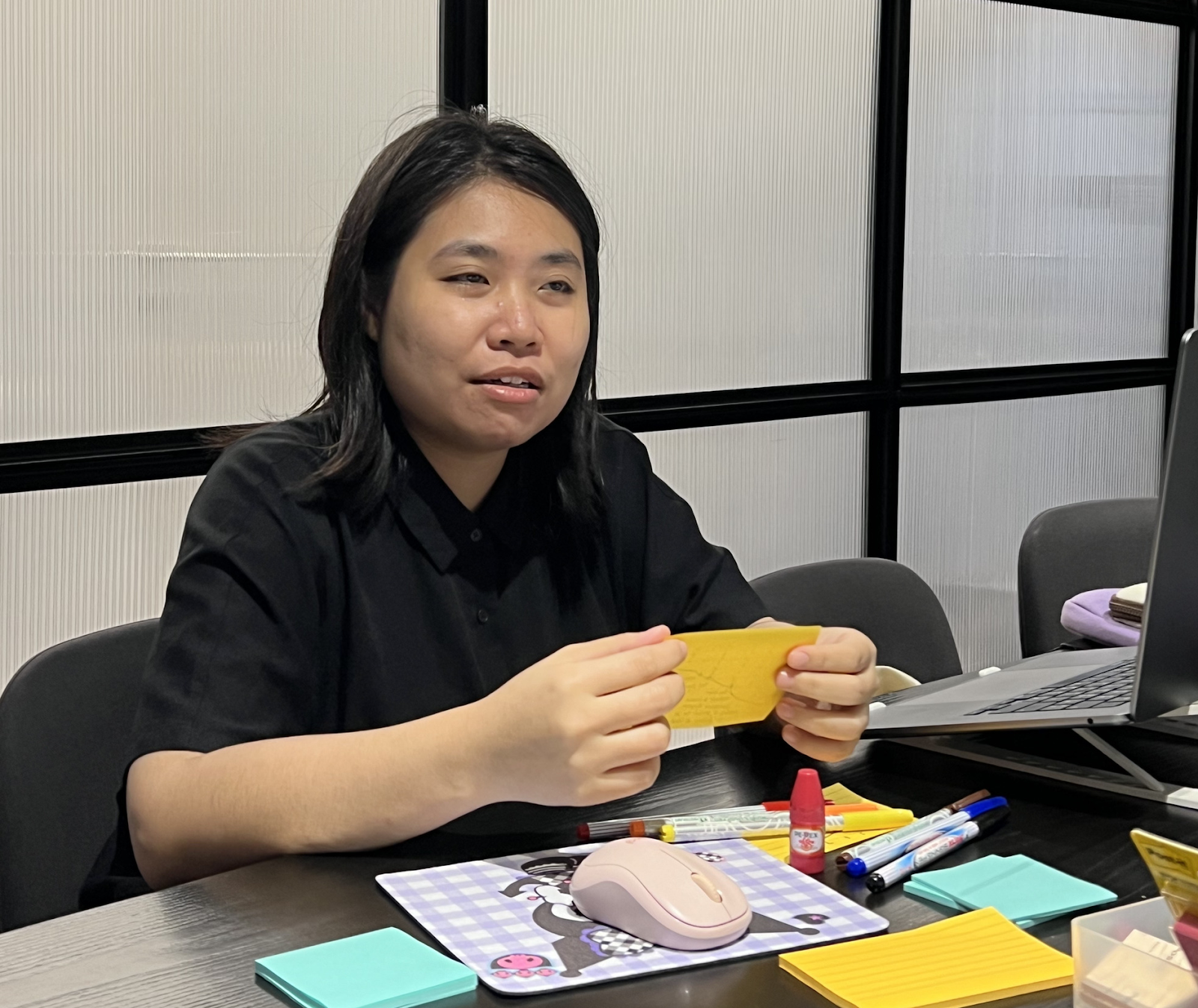
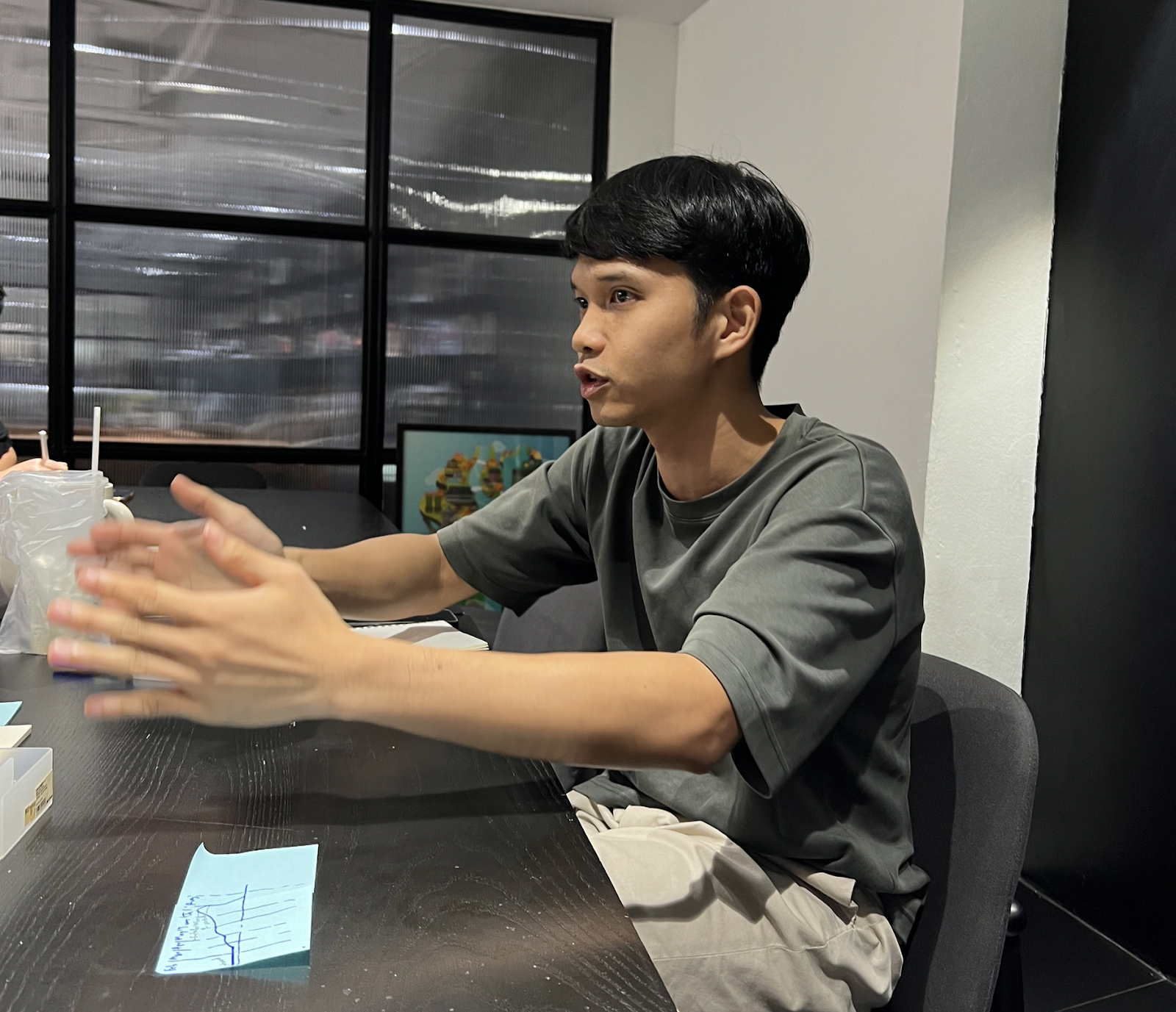
Reflection Project Tools and Processes: Fah Montra
At the beginning of the project, tasks and stakeholder roles needed to be clarified. Initially, this lack of clarity presented challenges for project coordination. As the project progressed, motivation increased with the development of the website, underscoring the importance of understanding user flow. This phase highlighted the necessity for clear user experience pathways. In contrast to other projects, this website development is feature-based rather than human-centric, presenting unique challenges in the design approach. Currently, a significant challenge is designing the website’s UX/UI before development begins, which is crucial for ensuring a seamless user experience. Given the project’s tight timeline, the team is under pressure to complete tasks before deadlines, which restricts the opportunity to revisit and refine the Service Blueprint that has been in use since the project’s inception. Furthermore, each stage of the project requires collaboration with stakeholders, who are simultaneously managing their tasks. A robust Service Blueprint would greatly enhance our understanding of the project, especially for new platforms or projects involving diverse stakeholders.
Insights from Utilizing Tool
Firstly, increased motivation stems from having clear tasks for each stakeholder. This clarity is critical for ensuring effective project progression. Secondly, the Service Blueprint helps clarify roles and tasks, particularly in complex projects. Its value is especially evident in projects involving diverse stakeholders. Thirdly, there is a need for a consistent application of service design tools throughout the project. Continuous use of these tools is essential for maintaining project alignment. Moreover, regularly revisiting personas and the User Journey is essential for maintaining a human-centric focus. These tools must be updated to reflect evolving user needs.
Recommendations for Future Use,
Ensuring clear task and stakeholder roles from the beginning of the project. This foundational step sets the stage for effective project management. Next, consistently use service design tools like the Service Blueprint, User Flow, and User Journey. These tools should be integrated throughout the project lifecycle. Follow with, regularly revisit, and update personas and user journeys to stay aligned with user needs. This practice ensures that the project remains user-focused. Finally, invest in a strong research process to support a human-centric approach throughout the project. Robust research is crucial for understanding and addressing user needs effectively.
Reflection Project Tools and Processes: Vap Saridraj
He separated the project in 3 phases, Phase 1, Firstly, the System Development Life Cycle (SDALC) was utilized to oversee the project development cycle, including requirement design, implementation, testing, deployment, and post-deployment phases. Additionally, gap analysis reports were conducted for each personas to identify solutions that address their needs. From February to April, user requirements were reviewed; however, IT development had not yet commenced. By May, IT development began, revealing that the short timeframe prevented the incorporation of user requirements into the website development. Phase 2, This phase failed because internal development did not prioritize user experience, content, and the website’s user interface, resulting in the inability to integrate user requirements. Phase 3: To ensure team alignment and a shared understanding of project goals, a communication plan was implemented. Lastly, to achieve an effective website launch, thorough testing was conducted to identify and address issues before the site was made available to users.
Insights from Utilizing Tool
Firstly, we recognized the critical importance of continuous communication and alignment within the team. Secondly, we identified the necessity of incorporating user requirements early in the development process to prevent misalignment. Thirdly, we understood the value of thorough testing to ensure a smooth and successful website launch.
Recommendations for Future Use
To begin with, ensure the clear and early incorporation of user requirements into the development process. Next, consistent communication and alignment within the team must be maintained to ensure a shared understanding. Additionally, prioritize thorough testing before the launch to identify and rectify any issues. Finally, regularly revisit and update the Service Blueprint to adapt to evolving project needs and stakeholder requirements.
Reflection on Project Tools and Processes: An Kunkawee
We utilized the Partnership Canvas to analyze stakeholders and submitted the findings to TPLAB. However, due to the complex structure of Thailand’s public sector, its effectiveness remains uncertain. To solve this issue, we mapped the Service Blueprint to identify touchpoints and the tasks assigned to each stakeholder. It was observed that some stakeholders did not commit to their assigned tasks, and some tasks were rejected. This tool is more effective when applied to stable projects. Furthermore, IT development provided a delayed Asana work plan. While we had already begun working on the user journey, having the Asana work plan earlier would have allowed for clearer task planning.
Insights from Using These Tools
Firstly, the effectiveness of the Partnership Canvas is uncertain in complex organizational structures. Secondly, the Service Blueprint is useful for mapping touchpoints and tasks but requires stakeholder commitment to be fully effective. Thirdly, early provision of detailed work plans (e.g., Asana) is crucial for clear task planning and execution.
Recommendations for Future Use
To begin with, when analyzing stakeholders in complex structures, ensure a thorough understanding and possibly adapt the Partnership Canvas for better clarity. Next, ensure stakeholder commitment and clearly defined responsibilities when using the Service Blueprint. Additionally, obtain and finalize detailed work plans early in the project to facilitate clear and organized task planning. ****Initially, we researched tools based on customer requirements and utilized them to support evidence-based decision-making. Ideally, understanding users before developing the product is crucial. However, this project’s tight timeline required us to develop the website first. The project adopted a successful foreign virtual policy platform (e.g., Decidim) to develop a platform for Thailand, but there are still concerns about localizing it to regional needs.
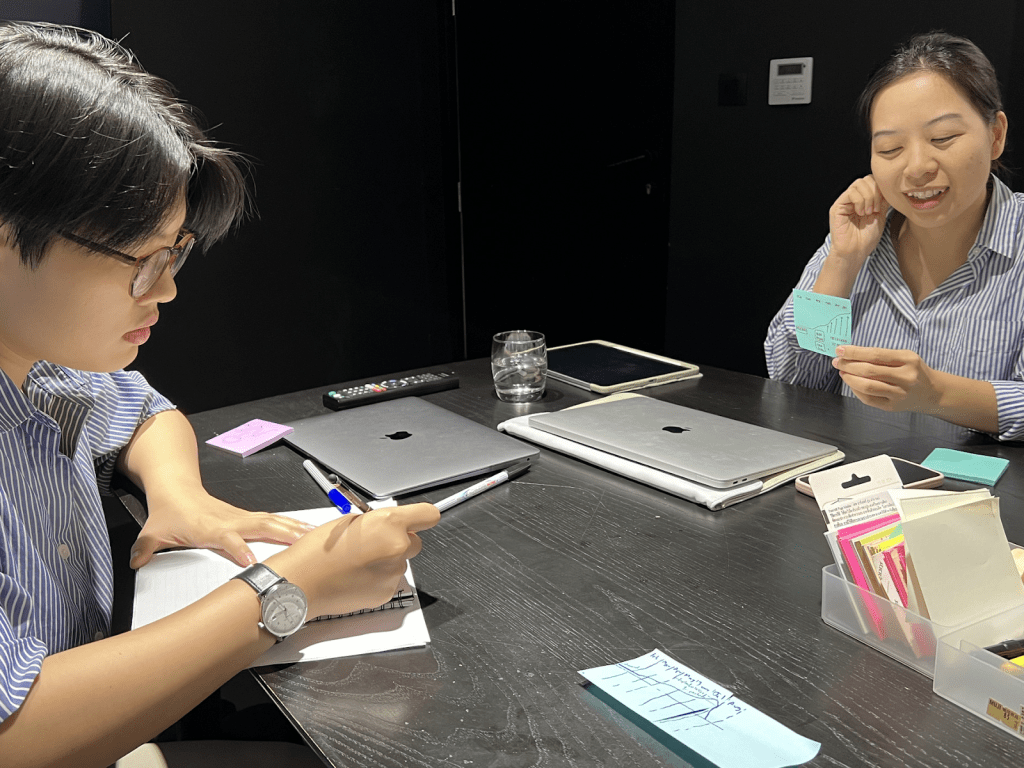
In the last part of the workshop, I asked one more question to know individual expectations in this project.
Question: If we have a time machine to turn back the time of this project, what do you think is the right time for Rise Impact to support the project?
Answers:
Vap: “The optimal timing for this project would be during transitions between each project stage (e.g., from research to platform selection). This approach aids our customers in finding the right direction and managing risks. Rise Impact excels in providing crucial information and recommendations during these phases.”
Fah: “Our support was introduced too late in the project timeline. Customers engaged us for consulting and project management after major decisions had already been made. They prioritized project execution over early-stage strategic planning.”
An: “Had we been involved in user research from the beginning, we could have accurately identified customer needs. However, the customer already had preconceived assumptions about the project.
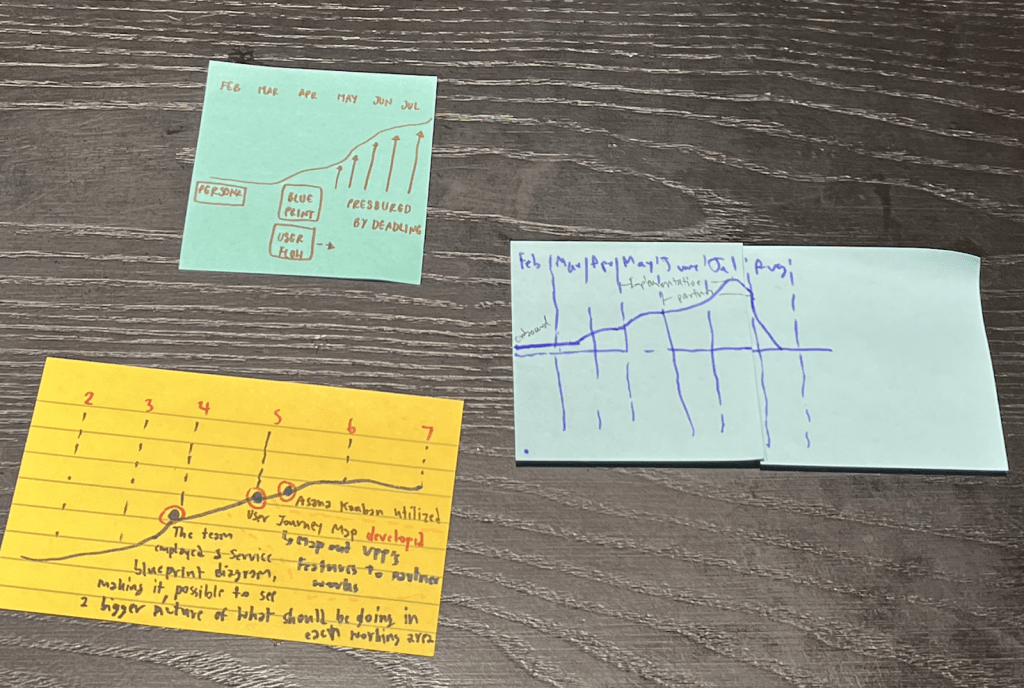
Workshop: Reflection Service Design Participant Result
DISCUSSION
SYNTHESIS AND ANALYSIS
This section synthesizes the findings from both in-depth interviews and workshops, aiming to identify key insights derived from these activities. This approach ensures that the discoveries are situated within the framework of the research objectives, offering a thorough comprehension of the investigation’s results. In this section, I will integrate the findings from in-depth interviews and workshops, collaborating with personal experience reflections to identify key insights. This synthesis aims to respond to the core research questions, providing a comprehensive understanding of the study’s implications.
From my experience reflection, several positive aspects emerged. Firstly, the use of tools like personas, user journeys, design thinking, and service blueprints is crucial in the initial stages of new product development (Moritz, 2005). These tools ensure a user-centric approach and effective alignment of stakeholder expectations (Mattson and Sorensen, 2020). Secondly, service design tools help identify target users and transform abstract ideas into concrete plans (Stickdorn and Schneider, 2011). Thirdly, tools like journey maps and design thinking frameworks are particularly effective in the research stage, identifying touchpoints, and providing project structure (Brown, 2008). Additionally, service design tools support marketing and communication efforts, enhancing team understanding of the project and internal communication. It helps convert abstract ideas into actionable plans, though continuous engagement with the tools is necessary (Mager, 2009). Despite these benefits, there are challenges in tool adoption. Effective tool usage requires effort and understanding, which can be a barrier between users. To solve this issue, I suggested that providing a toolbox can help users have a standard framework and guidelines when applying the tools. Additionally, having dedicated personnel can help overcome these challenges (Polaine, Løvlie, and Reason, 2013). Small businesses may find it easier to adopt tools but face capacity limitations, while corporate businesses have more resources and dedicated personnel to focus on tool implementation (Patrício, Fisk, and Constantine, 2011). Service design tools align project outcomes with customer requirements, enhancing stakeholder engagement and public perception (Stickdorn et al., 2018).
In conclusion, integrating service design tools is fundamental for new product development and overall project success, despite the challenges in adoption and the varying impact based on business size. Effective use and consistent engagement with these tools lead to better user-centric outcomes and improved stakeholder satisfaction (Blomkvist, Holmlid, and Segelström, 2010).
Reflecting on the overall project experience, it is crucial to consider these points collectively. Initially, the lack of clarity in tasks and roles confused, underscoring the need for an early and precise definition of responsibilities. As the project progressed, a clear understanding of user flow emerged as a significant motivator, suggesting that setting user-centric goals can enhance engagement. The emphasis on feature-based development over human-centric approaches marked a shift from previous projects, highlighting the need to balance functionality and user experience. Moreover, the challenges encountered in designing the website’s UX/UI before development, especially under tight deadlines, emphasize the importance of early integration of design processes. The Service Blueprint proved to be a valuable tool for mapping touchpoints and stakeholder tasks, though its full potential relies on stakeholder commitment. Effective collaboration with stakeholders, who are also managing their tasks, was identified as essential at each project stage. Thus, utilizing a robust Service Blueprint can facilitate better understanding and management of the project, particularly for new platforms or projects involving diverse stakeholders.
To effectively transition to addressing the research question, it is essential to synthesize the insights gained from previous analyses and discussions. This synthesis not only contextualizes the findings within the broader research framework but also sets the stage for a focused exploration of the research topic. By systematically addressing the research question, the study will build on the foundations laid by the literature review, in-depth interviews, and observations. This structured approach ensures that the research is both comprehensive and aligned with the core objectives, ultimately leading to a more robust and informed conclusion.
Research Questions
- What types of service design tools are most effective in supporting the marketing and communication of public sector policy platforms?
- How do these service design tools influence stakeholder engagement and public perception of policy platforms?
- Are staff familiar with and understand service design tools?
- If service design tools are not the primary choice, the following questions arise:
- What alternative tools do professionals initially consider?
- Why are these alternative tools preferred over service design tools?
- What are the challenges and best practices in implementing service design tools for this purpose?
To comprehensively address the research questions posed in my industry research project (IRP), I will provide a detailed synthesis and analysis, integrating insights from relevant literature.
The first research question asks, “What types of service design tools are most effective in supporting the marketing and communication of public sector policy platforms?” In investigating this topic, it becomes clear that the answer can be approached from two perspectives. First, the broader service design framework, which emphasizes a human-centric approach, plays a pivotal role in crafting marketing and communication strategies that resonate with the intended audience. This framework ensures that strategies are not only aligned with the target audience’s needs but also effectively tailored to engage them. Second, specific service design tools such as customer journey maps, service blueprints, and personas are particularly effective in this context. These tools facilitate a deeper understanding of the user experience, enabling the development of communication strategies that are more targeted and impactful, thereby enhancing public engagement with policy platforms (Stickdorn, Hormess, Lawrence, & Schneider, 2018).
Following this, the question arises: “How do these service design tools influence stakeholder engagement and public perception of policy platforms?” based on insights from an in-depth interview with Vap, it is evident that the effectiveness of these tools often important on their perceived reasonableness by stakeholders. Vap noted that stakeholders prioritize the “reasonableness of the approach,” indicating that service design tools are most impactful when they are perceived as logical and applicable within the project’s context. Despite this variability, service design tools can significantly enhance stakeholder engagement by providing structured approaches to co-creating solutions. Tools such as stakeholder maps and co-creation workshops facilitate collaboration and buy-in from diverse stakeholders, ultimately leading to a more favorable public perception of policy platforms. These platforms are seen as more inclusive and responsive to citizens’ needs when such tools are employed (Polaine, Løvlie, & Reason, 2013).
The next research question examines “ Are staff familiar with and understand service design tools?” The familiarity with service design tools varies widely among professionals. While many are familiar with individual tools such as user journeys, personas, or design thinking, there is often a lack of comprehensive knowledge across the entire spectrum of service design tools. These tools are typically more familiar to specific professional groups, including designers, tech professionals, and educators, rather than the broader public sector. As such, there is a clear need for ongoing training and workshops to build capacity and ensure the effective use of these tools across different sectors (Meroni & Sangiorgi, 2011).
Moreover, if service design tools are not the primary choice, what alternative tools do professionals initially consider, and why are these preferred? professionals often turn to traditional project management tools, such as project milestones, SWOT analysis, or stakeholder analysis frameworks, depending on their objectives. These tools are generally more familiar and easier to implement, particularly in environments where service design has not yet been widely adopted. The preference for these traditional tools often stems from their alignment with established workflows and organizational cultures, which makes them more straightforward and less resource-intensive to apply (Curedale, 2013).
Finally, regarding the question, “What are the challenges and best practices in implementing service design tools for this purpose?” implementing service design tools in the public sector often encounters challenges such as resistance to change, lack of understanding, and limited resources. Overcoming these challenges requires best practices that include providing targeted training, securing leadership buy-in, and demonstrating the value of service design through pilot projects and case studies. These approaches not only mitigate resistance but also highlight the tangible benefits of service design, especially when applied during the research and development stages of new products and innovations, where clarity and detailed understanding are crucial (Moritz, 2005).
In summary, the main research topics can be effectively addressed by integrating the insights gained from in-depth interviews and workshops. The findings underscore the importance of establishing task clarity early in the process to achieve user-centric project outcomes. Additionally, the consistent application of service design tools supported by a solid research foundation is crucial. These insights provide a strategic framework for future initiatives, ensuring a harmonious balance between user experience, stakeholder engagement, and overall project success.
Why It Is Important?
Moving on the Why it is important?, this session will describe the insights from these findings are crucial for guiding the strategic direction of future projects. The emphasis on early task clarity, as highlighted by Vap, a developer participant, and Fah, a project manager participant, underscores the importance of applying a human-centric mindset through service design. Both participants noted that “applying service design is a human-centric mindset adopted in the project or any work” (Vap & Fah, 2024). This aligns with Stickdorn et al. (2018), who emphasize the importance of human-centered design in creating effective user experiences.
Furthermore, the ongoing use of service design tools, such as design thinking, was consistently valued by participants. Vap pointed out that “design thinking could be applied across various industries as it helps to understand problems through the design process.” Similarly, Fah emphasized the added value of service design during the research phase, stating that “the use of service design adds value to the project by understanding the target market for products, integrating user journeys with business model canvases.” This reflects the versatility of service design tools in cross-functional integration and their ability to complement other methodologies (Brown, 2009).
However, challenges were also noted, particularly in the research process. For example, An, a participant, remarked, “Had we been involved in user research from the beginning, we could have accurately identified customer needs. However, the customer already had preconceived assumptions about the project” (An, 2024). This observation is consistent with the findings of Moritz (2005), who highlights the importance of early-stage user research in accurately capturing user needs and avoiding misalignment in project goals.
To conclude, these insights collectively suggest that while service design tools offer significant value, particularly in fostering a human-centric approach and facilitating cross-functional integration, their effectiveness is heightened when applied early in the research and development process, allowing for a more accurate and innovative response to user needs.
CONCLUSION
Reflection of Personal Project Journey
It is now necessary to reflect on my personal experience during my internship at Rise Impact Ltd., where I contributed to the “OurPolicy” Virtual Policy Platform (VPP) project, I gained significant insights and experience, particularly in marketing and communication within a project based environment. This reflection outlines the key areas of learning and development during my three month internship, with an emphasis on the practical application of project management frameworks, marketing strategies, and the integration of design tools which I will explain below.
A fundamental aspect of my role was researching to support the development and implementation of marketing campaigns for the VPP platform. I learned to adapt and facilitate project work by employing various design tools, including service blueprints, personas, and user journeys. These tools were instrumental in structuring the project and ensuring that it met its objectives effectively. The primary frameworks I utilized included service design methodologies, which allowed me to map out the service blueprint and gain a comprehensive understanding of stakeholder needs. This experience enhanced my ability to select and apply appropriate tools based on the specific objectives and purposes of the project (Stickdorn et al., 2018). In my capacity as a marketing and communication intern, I was also involved in crafting and implementing marketing strategies for the VPP platform. This experience taught me to navigate the phases of a product launch, from planning to execution, and apply marketing funnels that were tailored to the project’s unique needs (Chaffey & Ellis-Chadwick, 2019). By integrating design tools with the marketing plan, I gained a deeper understanding of the project’s dynamics. This integration was particularly useful in aligning the marketing strategies with the overarching goals of the platform, ensuring that all promotional content was coherent and effectively targeted.
Challenges in the Project
Moving on the project faced several challenges, primarily due to delays in client decision-making and platform development, which impacted the overall project timeline. Working within a government related project added complexity, as multiple stakeholders needed to provide feedback and approvals, further delaying the marketing and communication plans (Turner, 2014).
The use of service design tools was also affected by these delays. For instance, the decision making delays some tools less effective, as the project focus shifted to completing tasks in a split approach rather than following the comprehensive service design framework initially planned. Moreover, some external stakeholders did not fully appreciate the importance of tools like the service blueprint, which led to a lack of engagement and reduced the overall impact of these tools (Brown, 2009).
During this project, one of the significant challenges we encountered was the hand over phase after the completion of the contract, where Rise Impact Ltd. needed to transfer control of the “OurPolicy” to the client. This transition, I proposed a detailed platform role and management framework to the customer. This framework was designed to help the client visualize the platform’s ongoing needs and to enable them to predict and forecast future management requirements effectively. By providing a clear structure for platform management, we aimed to ensure that the client could maintain the platform’s functionality and continue to meet user needs post-handover. This proactive approach not only facilitated a smoother transition but also positioned the client to manage the platform sustainably in the long term. Implementing such strategies during the project handover phase is crucial for ensuring continuity and maximizing the platform’s impact after the service provider’s involvement concludes (Andersen & Birchall, 2020).
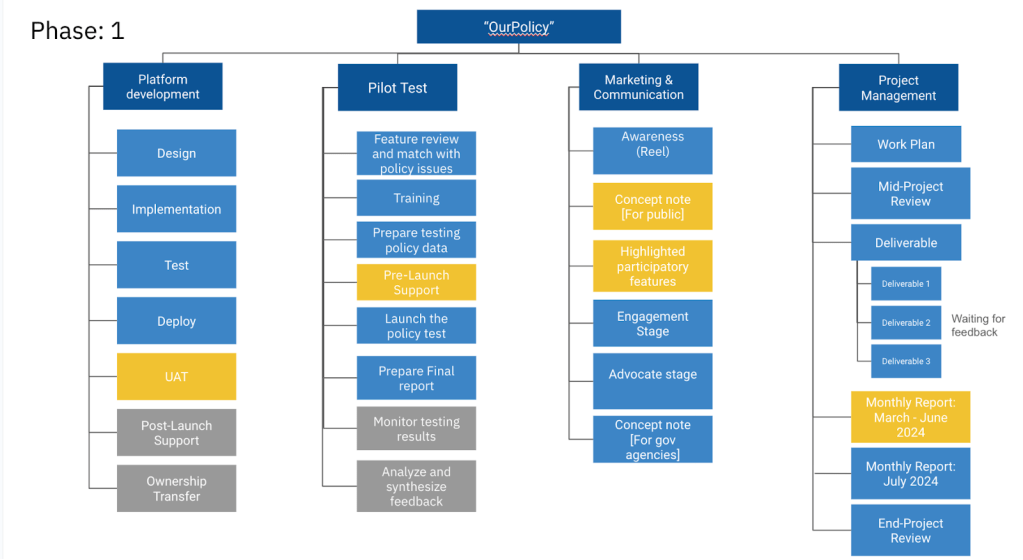
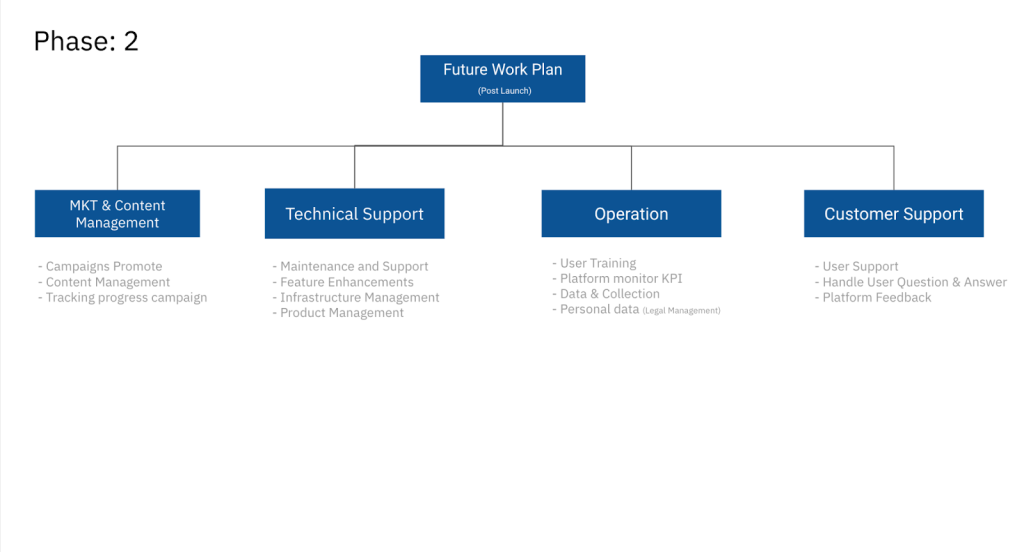
Throughout the project, decision-making and critical thinking were essential. I discovered, for instance, how crucial it was to assume the role of the project owner and take the initiative to make judgments that would keep the work going ahead in reaction to client decision-making delays. To ensure timely delivery, I had to prepare for customer demands and preferences while creating marketing content, therefore this method was very crucial in the real work situation. Moreover, when faced with the need to change the project plan due to delays in the launch phase, especially the content promotion part, I recommended the team to shift to the alternative plan to create a smooth of campaign launch phase. This urgent task required me to analyze the situation critically and suggest a strategy that would keep the project on track while addressing the new challenges (Kolko, 2014).
Furthermore, my internship at Rise Impact Ltd., was a rich learning experience that deepened my understanding of project management, marketing strategy, and the integration of design tools in a real-world setting. This opportunity not only enhanced my practical skills but also provided a solid foundation for my ongoing academic research. Working in a small business environment like Rise Impact Ltd. requires adaptability, effective communication, and collaboration. Supporting the project manager in achieving the VPP platform’s goals taught me the importance of aligning all stakeholders and ensuring cohesive marketing and communication efforts. The feedback loops and open communication channels were essential, mirroring the reflective and collaborative learning environment I experienced during my studies at Hyper Island (Schön, 1983). Furthermore, it is recommended that the team organization be structured to enhance the successful implementation of tools within the project. This section will discuss the importance of appointing a designated individual to monitor the use of these tools and act as an expert guide and duaration for the team. Assigning such a role is crucial to ensure that the tools are effectively integrated and utilized, thereby improving overall project outcomes (Smith, 2020).
Finally, my work on this project provided invaluable insights for my master’s thesis, which focuses on extending the use of service design tools. I learned how to validate information through in-depth interviews and workshops, key methodologies in understanding user needs, and refining the project’s approach (Meroni & Sangiorgi, 2011). This hands on experience allowed me to bridge the gap between academic research and practical application, providing a robust foundation for both my thesis and future professional endeavors.
Prototype Outcome
In this section, the focus will be on defining the prototype outcome based on insights gathered from workshops and in-depth interviews. Specifically, I will recommend the development of a tool guideline for employees, which will serve multiple functions within the organization.
Based on the data collected, I propose the development of a prototype platform,
“be.design lab.” This toolbox is designed as an internal resource, offering research guidelines that align with and support the specific objectives of our organization.
Link: https://be-designlab.com/
The rationale for developing this prototype is to bridge the gap between users who face challenges while navigating services and those who are unfamiliar with the tools provided. By addressing this disconnect, the “be.design lab” aims to enhance user experience and ensure that all users can effectively engage with the services offered.
To assess the benefits of the tool guideline, several key advantages can be highlighted.
Firstly, this guideline will function as an essential onboarding resource, facilitating new employees’ rapid familiarization with the advanced tools employed within the organization. This approach is aligned with the company’s objective of minimizing onboarding time and ensuring that employees are productive from the start. Secondly, the guideline will serve as a valuable reference for current employees, allowing them to easily identify and apply the appropriate tools for their tasks. This will not only save time that might otherwise be spent on research but also minimize the risk of errors and inefficiencies in the workplace.In addition to these benefits, the proposed structure of the guideline will be organized into several key sections, each focusing on different categories of tools. These sections may include user research tools, co-creation and ideation tools, and prototyping tools, among others. Each section will offer detailed explanations and practical examples, ensuring that employees can effectively apply the tools in their projects. Moreover, it is recommended that the team be organized in a way that supports the successful implementation of these tools within projects. This includes designating specific individuals to monitor tool usage and act as expert guides for the team. Such a role is essential to ensure that the tools are seamlessly integrated and effectively utilized, ultimately enhancing overall project outcomes (Smith, 2020).
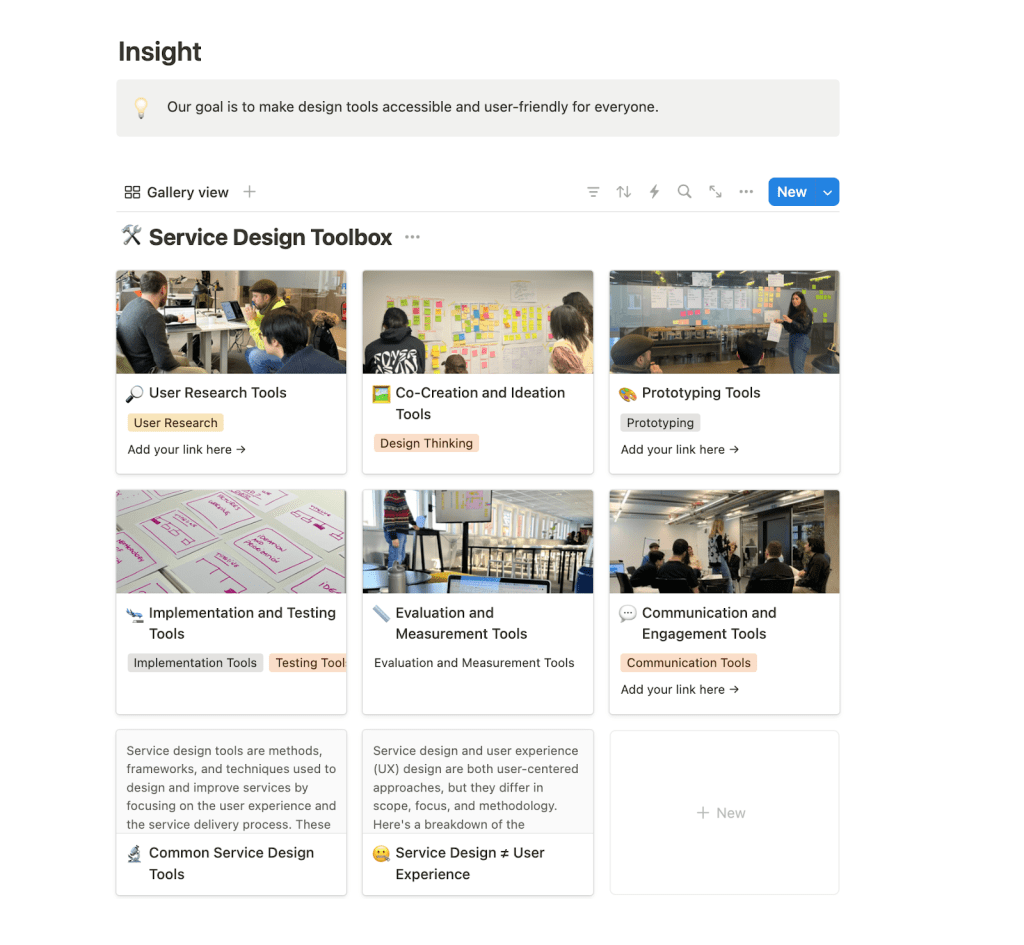
(Figure 2)
This toolbox is designed to serve specific purposes, such as guiding user research. For instance, it will outline the necessary steps and methodologies required for conducting user research, providing a clear, step-by-step approach. By offering structured guidance, the toolbox ensures that users can effectively carry out research processes, meeting their objectives with precision and clarity.
(Figure 3)
In conclusion, the development of this tool guideline is a strategic initiative that will enhance project outcomes and support organizational goals. By implementing this recommendation, the company will not only streamline its processes but also foster a culture of continuous learning and improvement.
FUTURE RESEARCH
Future Research
This section will investigate the next steps suggested from the research findings in the context of future research. One important fact is that, depending on the particular activities involved and the expected outcomes, using tools in a project is frequently viewed as optional. However, in an era that is changing rapidly and demands speedy adaptation, using cutting-edge methods like service design is becoming more and more important.Initially, one potential area for future research lies in the expansion of service design tools to better support specialized marketing and project management tasks. As discussed, current tools are highly effective in user-centered design but may fall short in providing the strategic planning and forecasting capabilities required in these specialized areas. Future studies could explore how service design tools can be adapted or integrated with traditional marketing frameworks and project management methodologiesto develop a more complete and adaptable professional toolbox (Stickdorn et al., 2018). This could involve the development of hybrid approaches that retain the user-centric focus of service design while combining the traditional strategies’ analytical discipline (Kotler et al., 2017; PMI, 2021).In addition to expanding existing tools, there is a clear opportunity to develop new, specialized service design tools tailored specifically to the needs of marketing strategy and communication. As noted in the current research, traditional tools like SWOT analysis or Agile project management techniques such as Kanban have distinct advantages in certain contexts (Anderson, 2010). Future studies could focus on creating tools that bridge the gap between these methodologies, offering both the strategic insights required for marketing and the detailed planning capabilities essential for project management, while maintaining a strong emphasis on user-centered design principles (Stickdorn et al., 2018).
Moreover, further research could be directed towards evaluating the practical integration of service design tools with project management techniques based on the findings from workshops and in-depth interviews suggesting that tools like Kanban are particularly effective in multidisciplinary teams, facilitating collaboration among members from diverse roles such as researchers, project managers, and IT developers (Anderson, 2010). Future studies could actively evaluate how these tools could be employed with service design approaches to improve project outcomes overall and foster cross-functional cooperation. (PMI, 2021). As the current study has highlighted, effective collaboration is crucial for the successful design and delivery of services (Stickdorn et al., 2018). Developing tools that enable stakeholders from various disciplines to engage meaningfully in the design process could lead to more cohesive and effective workflows. This area of research could focus on creating user-friendly interfaces and processes that ensure all team members, regardless of their technical expertise, can contribute to and benefit from the service design process (Anderson, 2010).
Following with service design tools are recognized for their effectiveness in internal communication and aligning staff with overarching service strategies. However, their impact on stakeholder engagement is less noticeable, particularly when stakeholders from diverse industries and lack familiarity with service design methodologies (Stickdorn et al., 2018). Consequently, stakeholders often require more accessible frameworks, such as user journey maps, which offer clarity and ease of understanding without requiring significant prior knowledge in service design. Therefore, future research should explore the development of service design tools that operate within a more constrained scope and framework. This could involve simplifying the tools or creating introductory versions that provide essential insights without overwhelming non specialists. Further investigation into how these simplified tools can be effectively communicated and integrated into stakeholder interactions could improve engagement and understanding (Stickdorn et al., 2018).
In contrast, within my organization, staff exhibit varied levels of familiarity with service design tools, which often correlate with their specific roles and responsibilities. For those who are less familiar, onboarding and training processes have proven effective. Nonetheless, while internal adoption of service design tools can be relatively smooth, there remains an opportunity to enhance their integration across different organizational divisions. Future studies should therefore focus on strategies to deepen the integration of service design tools within each division. This may include tailored training programs, cross-departmental workshops, and the development of role-specific applications of service design principles. By examining how service design can be effectively embedded into various operational contexts, future research could provide valuable insights into creating more cohesive and user-centered organizational practices (Stickdorn et al., 2018). Moreover, incorporating a culture of reflection sessions provides an open opportunity to understand and empathize with the team, thereby identifying gaps and learning opportunities within the project (Schön, 1983; Moon, 1999). Reflection sessions facilitate a deeper understanding of team dynamics and project challenges, allowing for continuous improvement (Kolb, 1984).
Finally, explores the challenges and best practices of employing service design within both new and existing projects. The discussion is organized into two parts: the adoption of service design in new projects and its adaptation in existing projects.
On the one hand, implementing service design tools from the outset of a new project presents a range of benefits. These tools, such as the Design Thinking framework, are particularly well-suited for addressing complex situations due to their structured approach. Project management literature typically categorizes tasks into three types, such as simple complicated, and complex. For simple tasks, traditional project management methodologies like Waterfall are effective, as they follow a linear and sequential process, making them ideal for well-defined requirements that are unlikely to change (Project Management Report, 2024). In contrast, complicated tasks, which require more flexibility and visual management, can benefit from methodologies such as Kanban (CONTACT Software Blog, 2020). For complex tasks characterized by uncertainty and ambiguity, Design Thinking is recognized as the most effective approach. This methodology fosters innovation and problem-solving by enabling project teams to navigate unclear situations effectively. It emphasizes understanding the user, iterative testing, and the continuous refinement of ideas, making it particularly suited for projects that require adaptability and creativity. To ensure the successful integration of service design tools in new projects, especially those focused on human-centric outcomes, it is crucial to implement onboarding processes that run parallel with the project. This ensures that all team members have a comprehensive understanding of the methodology, thereby reducing the risk of missing critical steps during the project lifecycle. By embedding these processes, teams can maintain a focus on user needs and ensure that the project evolves in alignment with the initial design thinking principles (Interaction Design Foundation, 2024; MIT Sloan School of Management, 2020).
On the other hand, adapting service design tools to existing projects presents unique challenges due to the established project requirements and standards. Applying service design tools in these contexts can lead to shifts in current requirements based on insights derived from a human-centric approach. This shift necessitates careful consideration of costs and project objectives by the project owner (CONTACT Software Blog, 2020). Future research should focus on strategies to reduce gaps when integrating service design tools into existing projects. This research could explore methods for aligning new insights with pre-existing project frameworks, thereby mitigating disruptions and maximizing the benefits of service design. While service design tools do not guarantee the success of a project, they are instrumental in enhancing understanding and effectively framing complex tasks. By fostering a culture of adaptability, improving communication, and supporting project execution in diverse and evolving contexts, these tools contribute significantly to project efficiency (Project Management Report, 2024).
In conclusion, the digital transformation of industries, including the public sector, is a pivotal movement that redefines how organizations operate and engage with their stakeholders. The Thailand Policy Lab (TPLAB) exemplifies this shift by creating a platform that digitizes the policy development process, enhancing collaboration and engagement between policymakers and the public. This study underscores the potential of service design tools, traditionally applied in sectors like retail, healthcare, and technology, to be adapted for use in the government sector. By focusing on a human-centric approach, these tools can improve the efficiency and effectiveness of public services. The research aims to provide guidelines for the successful implementation of service design tools in the public sector and to develop a prototype that will inform future development phases. Overall, the integration of service design in the public sector offers a promising avenue for enhancing policy development and service delivery, ultimately contributing to more responsive and citizen focused governance.
 be. design lab