Tag: entrepreneurship

  • ✨Reflection on BKKDW2025: Presenting Service Design for Public Policy Platforms

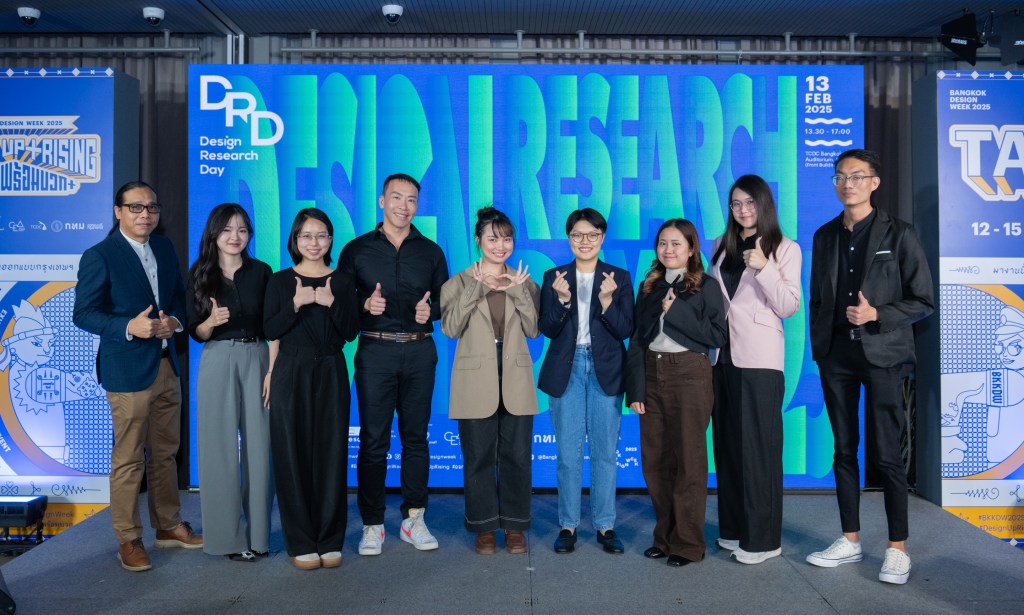
    Name: Bangkok Design Week 2025 (Research Day)
    Date: February 13, 2025
    Location: TCDC (Bangkok, Thailand)

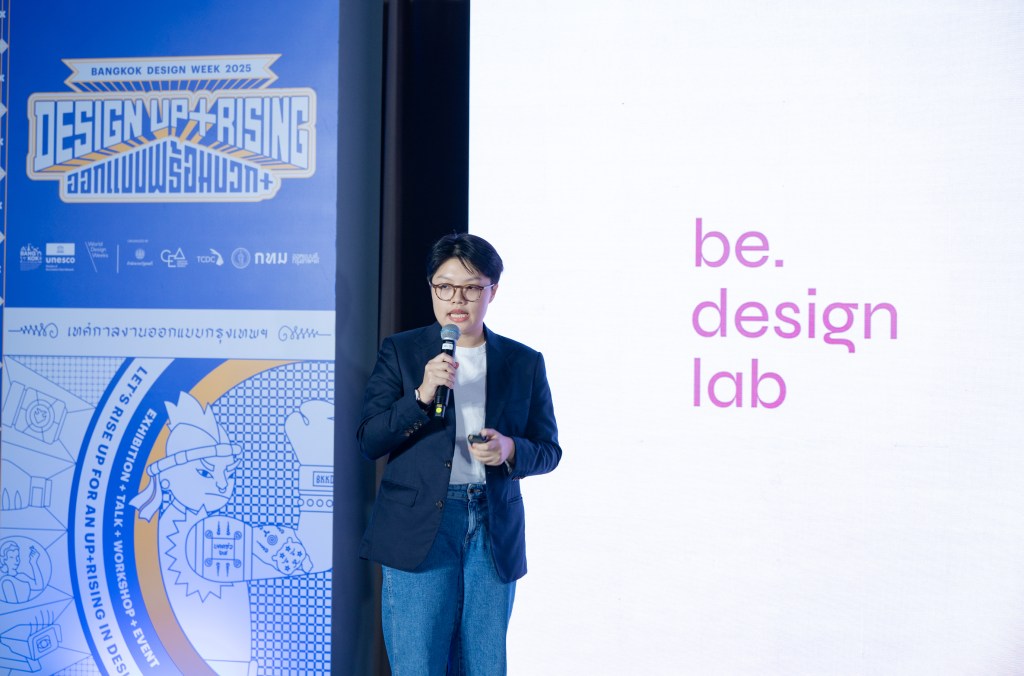
    I had the opportunity to present my research on Service Design for Public Policy Platforms at Bangkok Design Week 2025, sharing the journey of be.design lab, a prototype born from my thesis. It was an exciting and rewarding experience that sparked valuable discussions on how service design can enhance policy development.
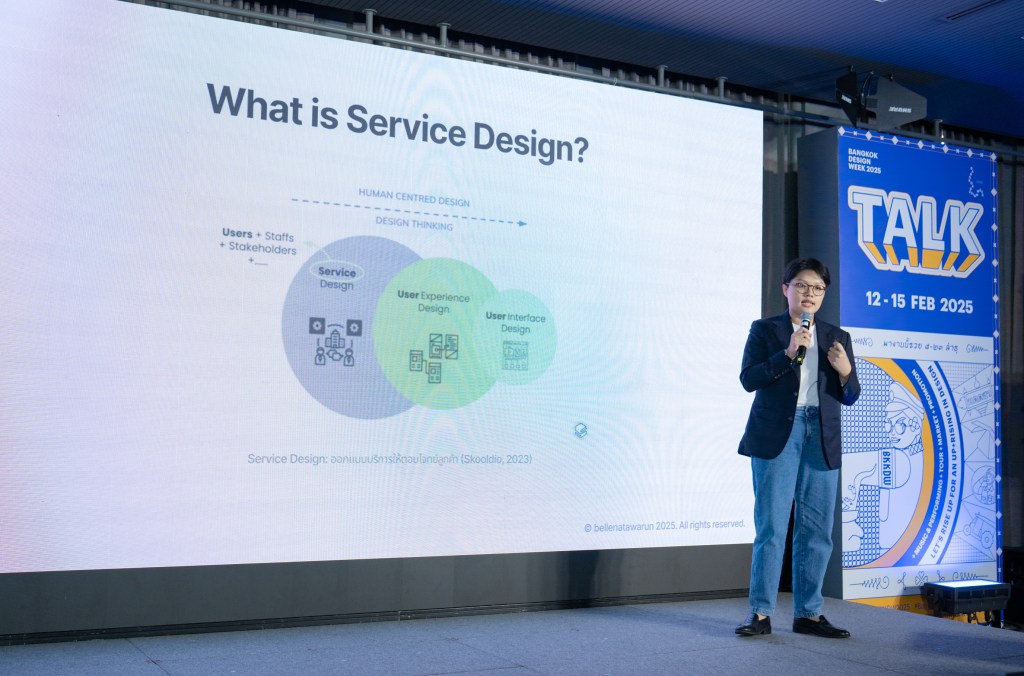

    Key Insights from My Presentation
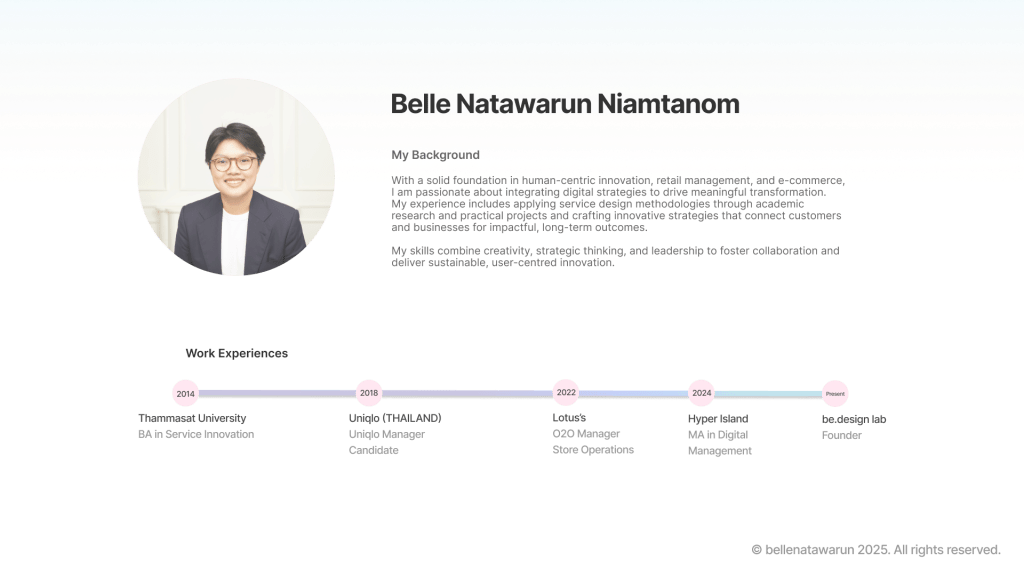

    πŸ”ΉΒ Introduction

    I began the presentation with an introductory slide to highlight my background and experience, creating an opportunity to engage the audience and establish a connection.

    πŸ”‘ What is Service Design?

    Introducing the audience to the fundamentals and relevance of service design.

    Project Phases: A Simple Breakdown

    1. πŸ” Phase 1 Deepening Insights
      We start by exploring user needs using service design tools.
      The goal is to deeply understand the challenges and experiences users face.
    2. πŸ”„ Phase 2 Validating Insights
      Next, we validate our findings through workshops and in-depth interviews, ensuring that the insights are accurate and actionable for the project.
    3. πŸ’‘ Phase 3 Reflection & Recommendation
      Finally, we reflect on the process, extract the key learnings, and provide actionable recommendations to improve the policy platforms and make them more user-friendly.
    Key Benefits of Service Design in Policy Platforms

    βœ… User-Centric Development: Ensures early product development revolves around the needs of users, leading to more relevant and impactful outcomes.

    βœ… Project Structure & Alignment: Helps structure projects, map key touchpoints, and align expectations among stakeholders, improving clarity and focus.

    βœ… Supports Collaboration: Enhances marketing, communication, and teamwork, making it easier for teams to stay aligned and work toward shared goals.

    Challenges & Suggested Solutions

    🚧 Adoption Barriers: Implementing service design tools requires effort and a deeper understanding, creating challenges for new users.

    🚧 Perceived Limitations: Often seen as unsuitable for launched products but can significantly enhance UX and touchpoint optimization.

    πŸ’‘ Solution: Offering standardized guidance and dedicated support to simplify tool adoption and improve implementation efficiency.
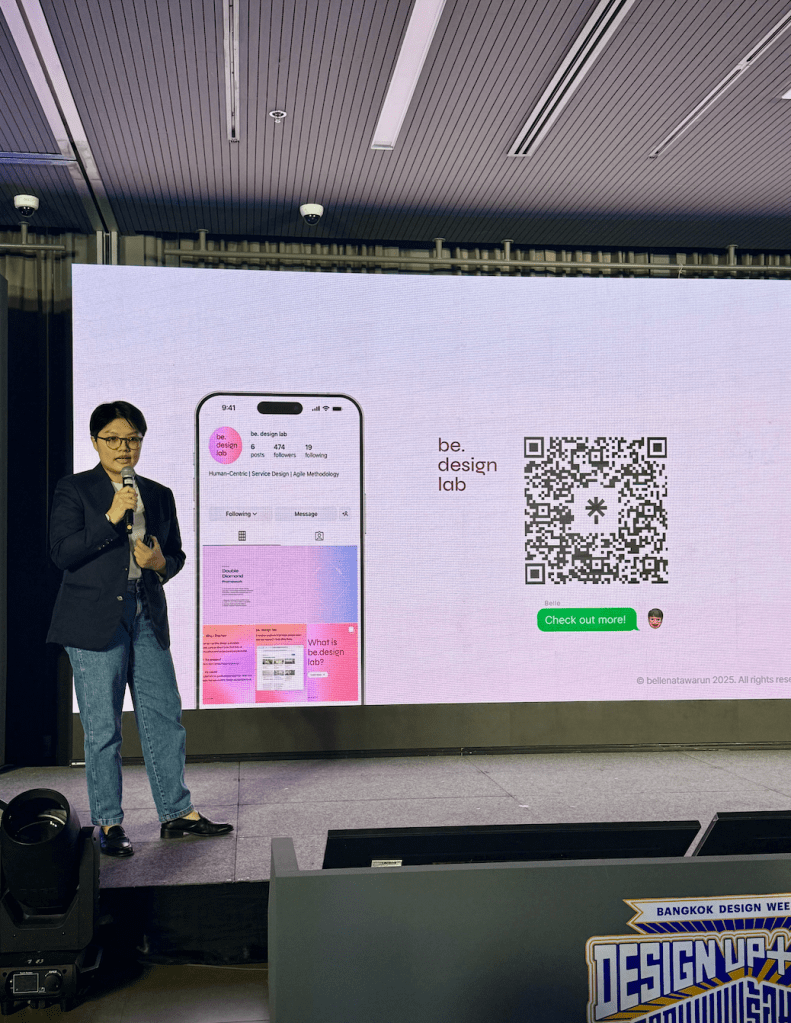
    Prototype Outcome: be.design lab

    A research toolbox created to make service design tools and human-centric solutions simple and accessible for everyone.
  • Design Thinking

    Co-Creation and Ideation Tools

    The idea

    Co-creation and ideation are crucial stages in service design, where stakeholders, including customers, employees, and designers, collaborate to generate innovative ideas and solutions. Here are some commonly used tools and methods for these stages.

    The process

    Design Thinking Workshops are structured sessions where teams collaboratively apply design thinking principles to solve complex problems. Here’s an example outline of how such a workshop might be structured:

    Example: Design Thinking Workshop Outline

    1. Introduction (15 minutes)

    • Objective: Set the stage for the workshop.
    • Activities:
      • Welcome and introductions.
      • Overview of design thinking principles and workshop agenda.
      • Set expectations and goals for the session.

    2. Empathy and Understanding (30 minutes)

    • Objective: Gain a deep understanding of the users and their needs.
    • Activities:
      • User Interviews: Conduct brief interviews with participants to gather insights.
      • Empathy Mapping: Create empathy maps to capture user thoughts, feelings, and experiences.

    3. Define the Problem (30 minutes)

    • Objective: Clearly articulate the problem or challenge.
    • Activities:
      • Problem Statements: Formulate problem statements based on insights from the empathy phase.
      • Persona Development: Create personas to represent different user types.

    4. Ideation (45 minutes)

    • Objective: Generate a wide range of ideas and solutions.
    • Activities:
      • Brainstorming: Use techniques like mind mapping and crazy eights to generate ideas.
      • Idea Selection: Evaluate and prioritize ideas based on feasibility and impact.

    5. Prototyping (60 minutes)

    • Objective: Create tangible representations of ideas.
    • Activities:
      • Low-Fidelity Prototypes: Build simple models or sketches to represent solutions.
      • Feedback Sessions: Share prototypes with other groups for feedback.

    6. Testing and Feedback (30 minutes)

    • Objective: Validate ideas and gather insights for refinement.
    • Activities:
      • User Testing: Test prototypes with real or simulated users.
      • Feedback Collection: Gather and analyze feedback to improve designs.

    7. Reflection and Next Steps (30 minutes)

    • Objective: Reflect on the workshop outcomes and plan further actions.
    • Activities:
      • Reflection: Discuss what worked well and what could be improved.
      • Action Planning: Outline next steps for refining and implementing ideas.

    8. Closing (15 minutes)

    • Objective: Wrap up the workshop.
    • Activities:
      • Summary: Recap key findings and decisions.
      • Acknowledgments: Thank participants and provide any additional resources or follow-up actions.

    References