Tag: education

  • Workshop: Team Building

    Date: January 16–18, 2024

    Location: Hyper Island (Stockholm, Sweden)

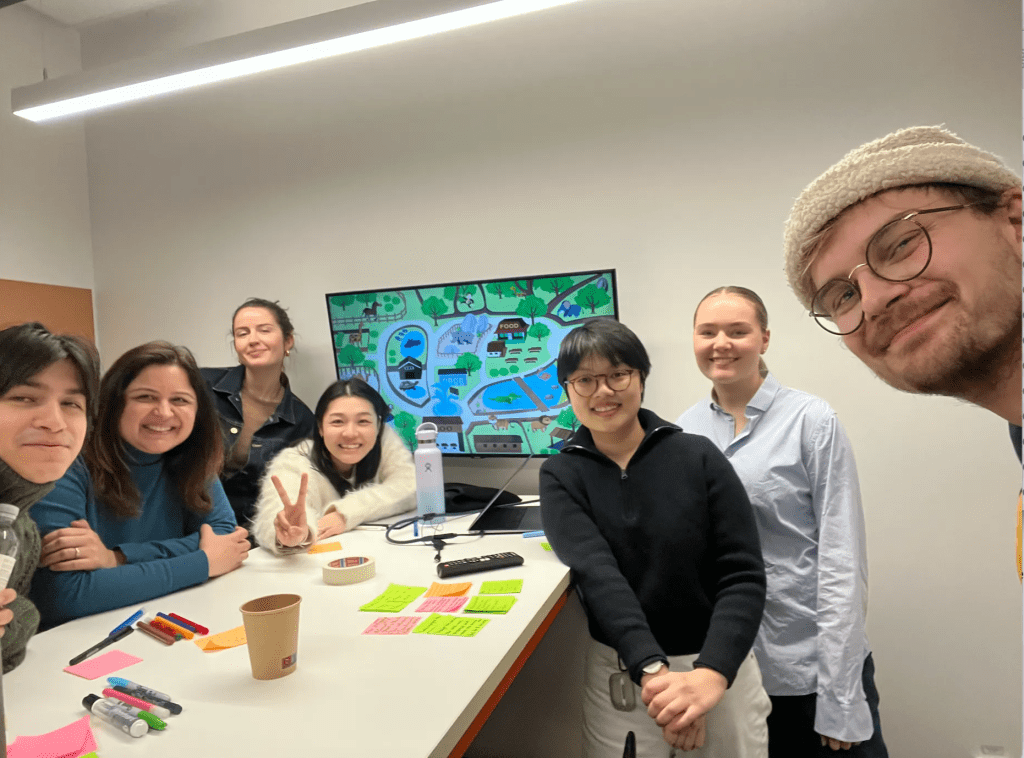
    Participants: 5 participants

    Introduction

    • Overview: This workshop is part of the PDF course, which focuses on facilitating workshops in a structured and engaging manner. It aims to equip both participants and facilitator to be able use the tools and techniques necessary for effective workshop facilitation.
    • Goals: The primary goal is to develop personal skills in designing and facilitating workshops, particularly focusing on content delivery and participant engagement.

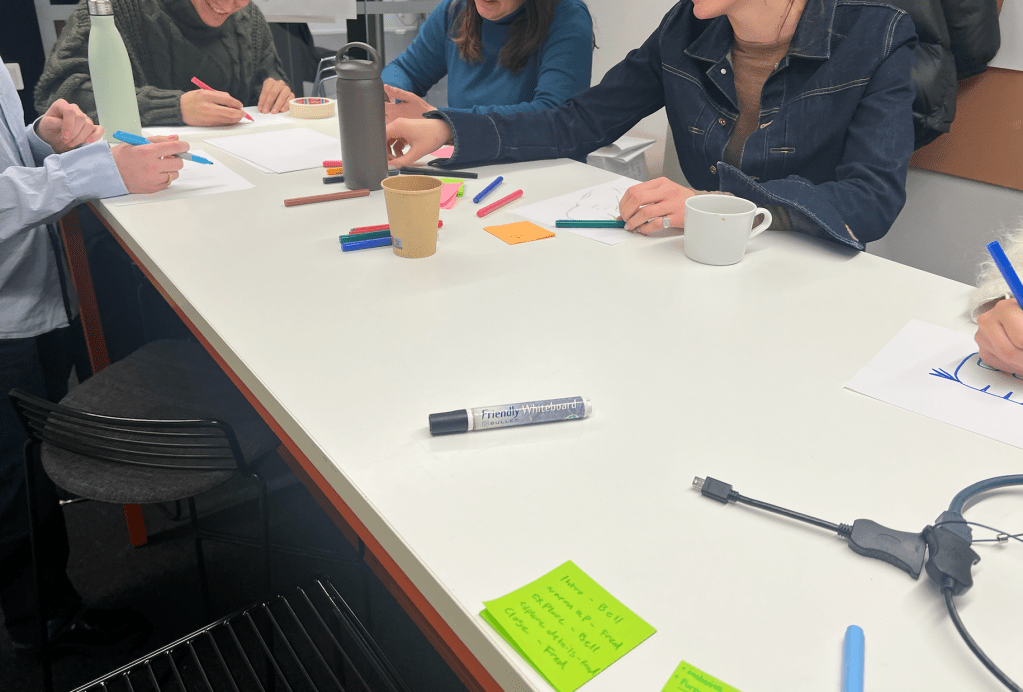
    Erik and I collaborated as partners to design and facilitate this workshop. We dedicated time to brainstorming and planning, ultimately creating a 2-hour session. Our approach was guided by the Open, Explore, Close framework introduced in our PDF class. This process helped us focus on discussing and incorporating key elements such as space, engagement, and the overall participant experience, ensuring a well-structured and impactful session.

    Workshop Contents

    • Workshop Structure: The workshop is divided into three parts:
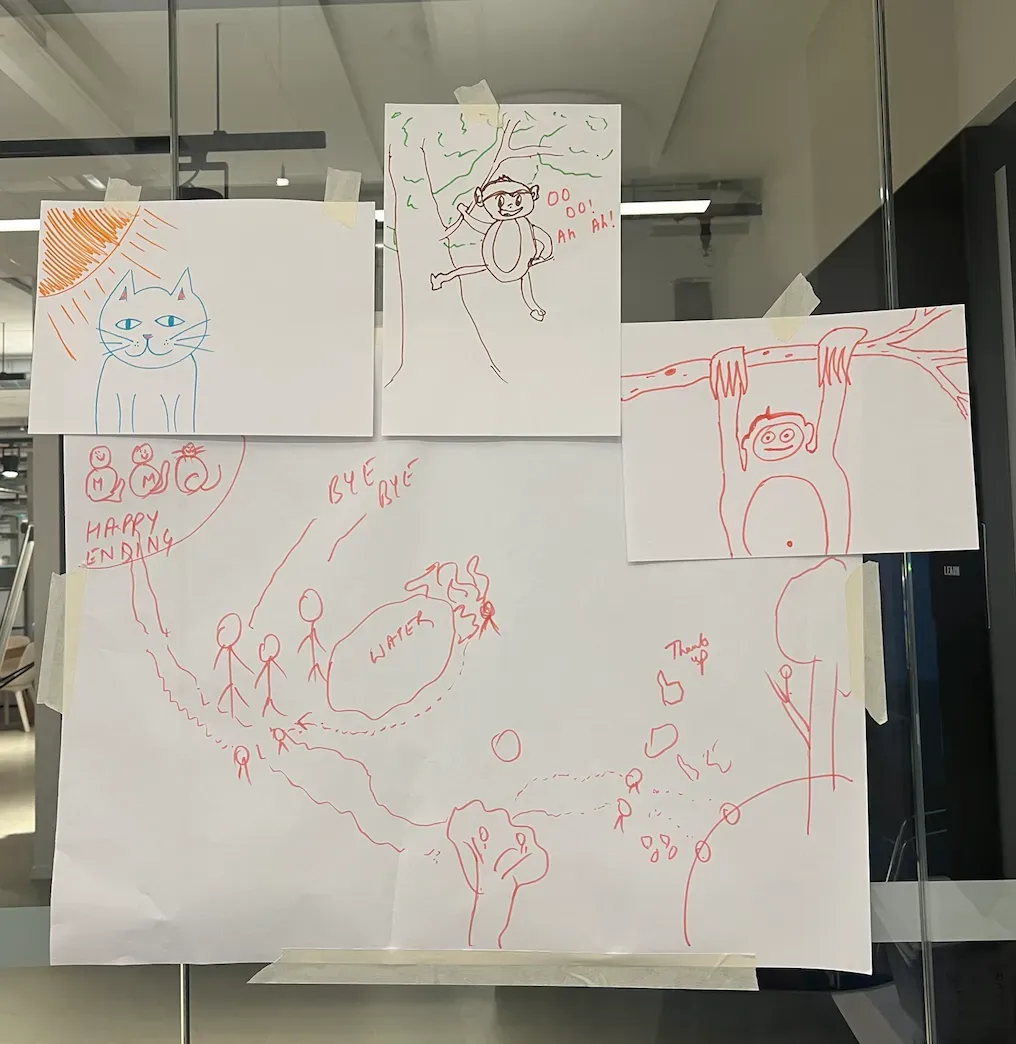
      • Workshop 1: Introduction and Icebreaker Participants will begin by drawing an animal they feel represents them or an animal they particularly like. This exercise encourages creative thinking and provides a light-hearted way to start the workshop.
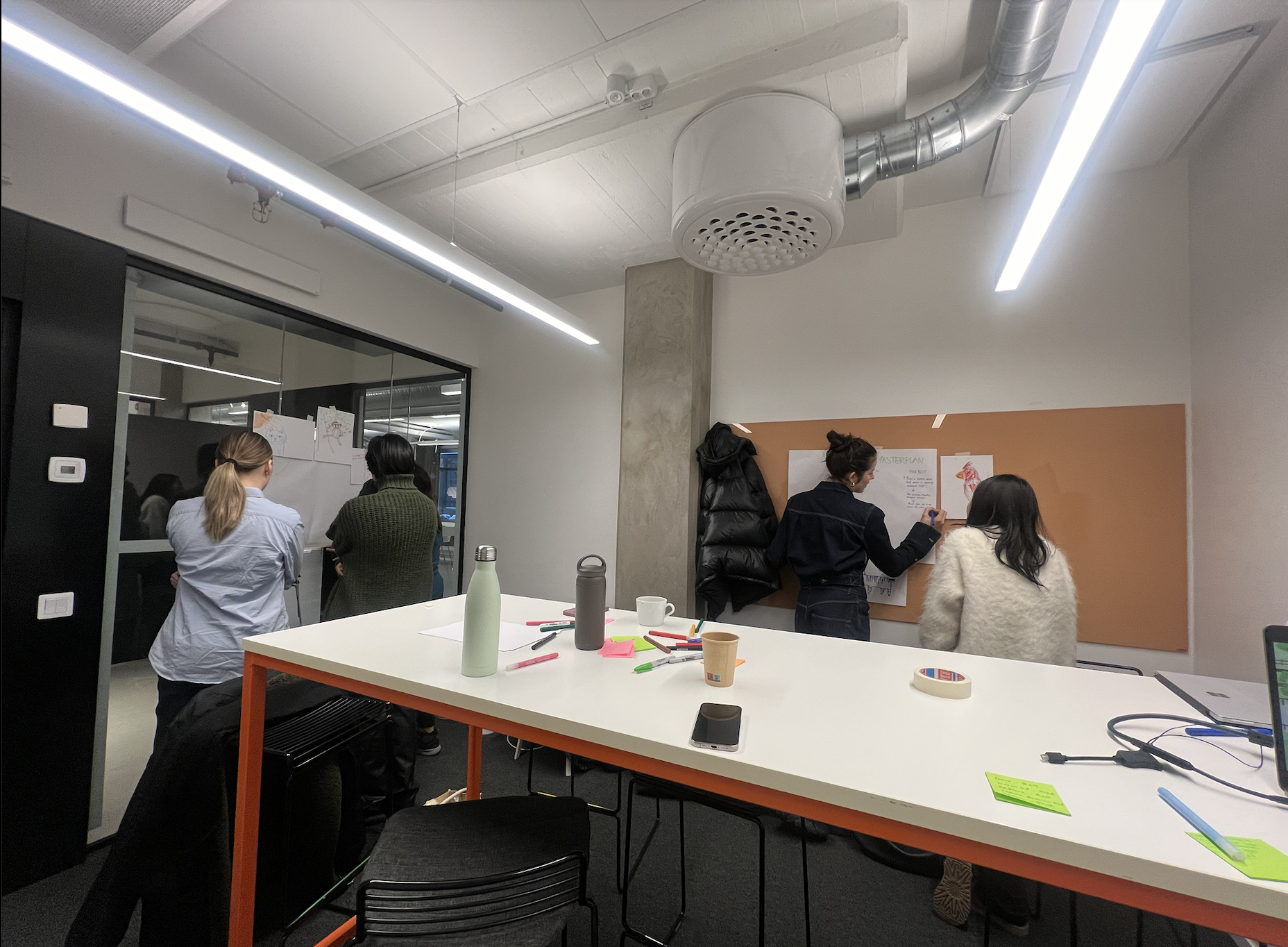
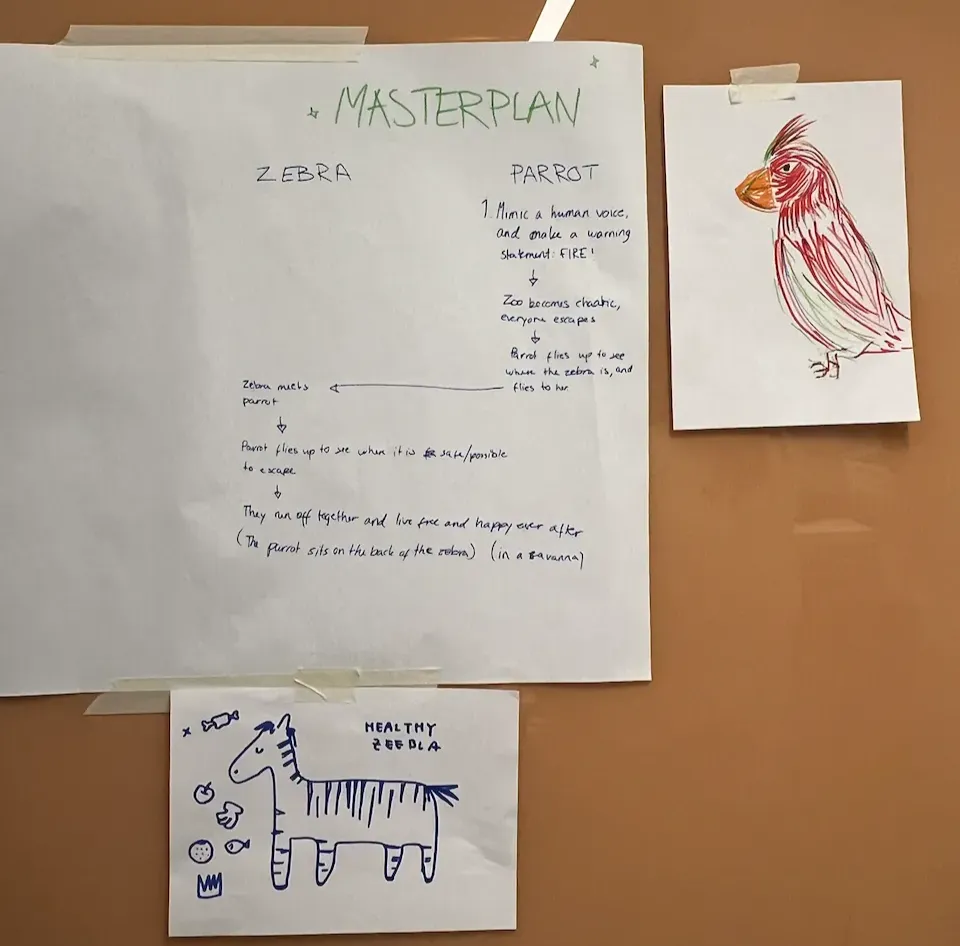
      • Workshop 2: Team Building and Problem Solving Participants will work in pairs to with the give topic ‘escape the zoo’ by collaborating with others. Each pair will select an animal and design tools or strategies that would help them escape. This exercise fosters teamwork, creativity, and problem-solving skills.
    Workshop 3: Reflection and Feedback

    In the final session, participants will reflect on their experiences throughout the workshop, discussing what they learned and how they can apply these insights to their future workshops.
    Personal Reflections

    • Process Reflections:Through this workshop, I gained a deeper understanding of the process design and facilitation model. The key framework I used for structuring the workshop consisted of three components:
      • Open: This phase encourages participants to open up and reflect personally, fostering individual insights.
      • Explore: In this stage, participants collaborate and use their creativity to work in teams, allowing them to apply their ideas and problem-solving skills.
      • Close: The workshop concludes with a reflective session, where participants review their experiences and share their learnings.

    From a personal perspective, my intention was to create an safety environment where participants could first establish their own identity through individual reflection, and then transition into team collaboration, where their creativity and teamwork could flourish.

  • Design Thinking

    Co-Creation and Ideation Tools

    The idea

    Co-creation and ideation are crucial stages in service design, where stakeholders, including customers, employees, and designers, collaborate to generate innovative ideas and solutions. Here are some commonly used tools and methods for these stages.

    The process

    Design Thinking Workshops are structured sessions where teams collaboratively apply design thinking principles to solve complex problems. Here’s an example outline of how such a workshop might be structured:

    Example: Design Thinking Workshop Outline

    1. Introduction (15 minutes)

    • Objective: Set the stage for the workshop.
    • Activities:
      • Welcome and introductions.
      • Overview of design thinking principles and workshop agenda.
      • Set expectations and goals for the session.

    2. Empathy and Understanding (30 minutes)

    • Objective: Gain a deep understanding of the users and their needs.
    • Activities:
      • User Interviews: Conduct brief interviews with participants to gather insights.
      • Empathy Mapping: Create empathy maps to capture user thoughts, feelings, and experiences.

    3. Define the Problem (30 minutes)

    • Objective: Clearly articulate the problem or challenge.
    • Activities:
      • Problem Statements: Formulate problem statements based on insights from the empathy phase.
      • Persona Development: Create personas to represent different user types.

    4. Ideation (45 minutes)

    • Objective: Generate a wide range of ideas and solutions.
    • Activities:
      • Brainstorming: Use techniques like mind mapping and crazy eights to generate ideas.
      • Idea Selection: Evaluate and prioritize ideas based on feasibility and impact.

    5. Prototyping (60 minutes)

    • Objective: Create tangible representations of ideas.
    • Activities:
      • Low-Fidelity Prototypes: Build simple models or sketches to represent solutions.
      • Feedback Sessions: Share prototypes with other groups for feedback.

    6. Testing and Feedback (30 minutes)

    • Objective: Validate ideas and gather insights for refinement.
    • Activities:
      • User Testing: Test prototypes with real or simulated users.
      • Feedback Collection: Gather and analyze feedback to improve designs.

    7. Reflection and Next Steps (30 minutes)

    • Objective: Reflect on the workshop outcomes and plan further actions.
    • Activities:
      • Reflection: Discuss what worked well and what could be improved.
      • Action Planning: Outline next steps for refining and implementing ideas.

    8. Closing (15 minutes)

    • Objective: Wrap up the workshop.
    • Activities:
      • Summary: Recap key findings and decisions.
      • Acknowledgments: Thank participants and provide any additional resources or follow-up actions.

    References