Name: Bangkok Design Week 2025 (Research Day)
Date: February 13, 2025
Location: TCDC (Bangkok, Thailand)
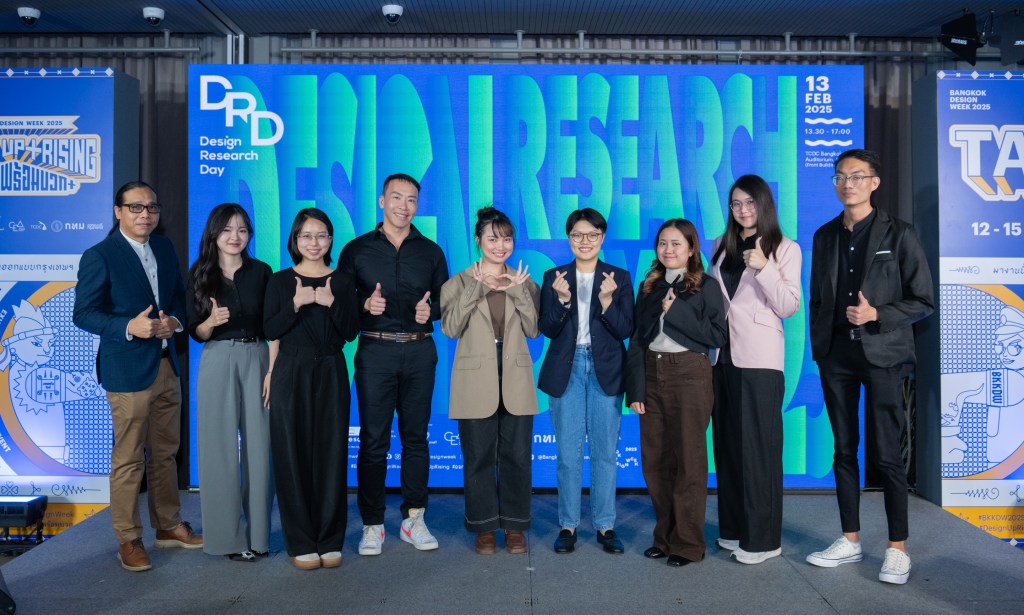
I had the opportunity to present my research on Service Design for Public Policy Platforms at Bangkok Design Week 2025, sharing the journey of be.design lab, a prototype born from my thesis. It was an exciting and rewarding experience that sparked valuable discussions on how service design can enhance policy development.
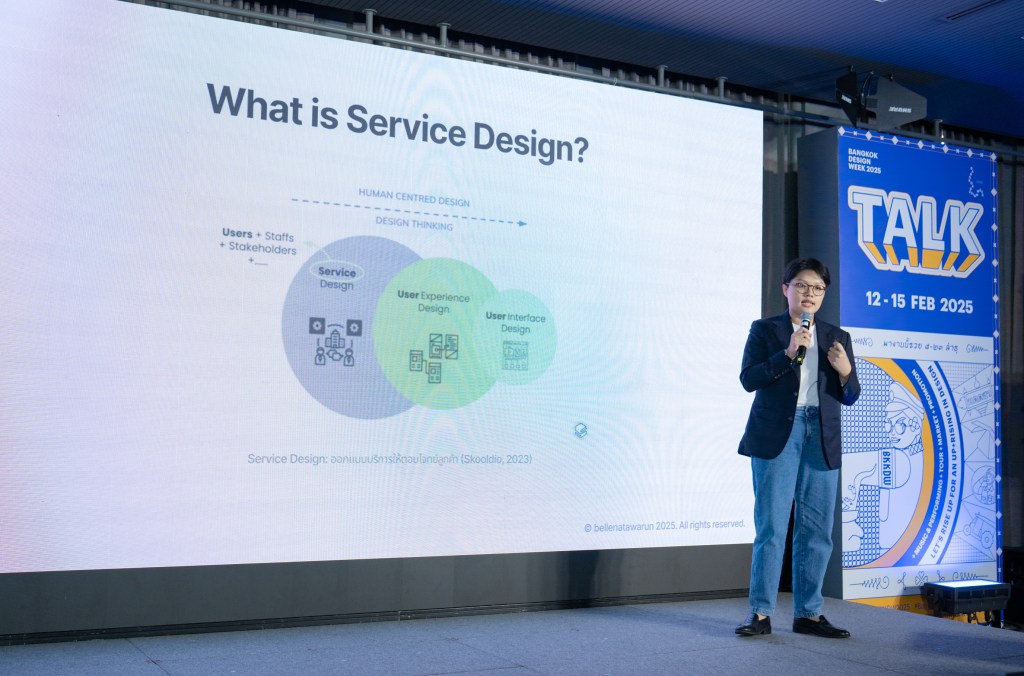
Key Insights from My Presentation
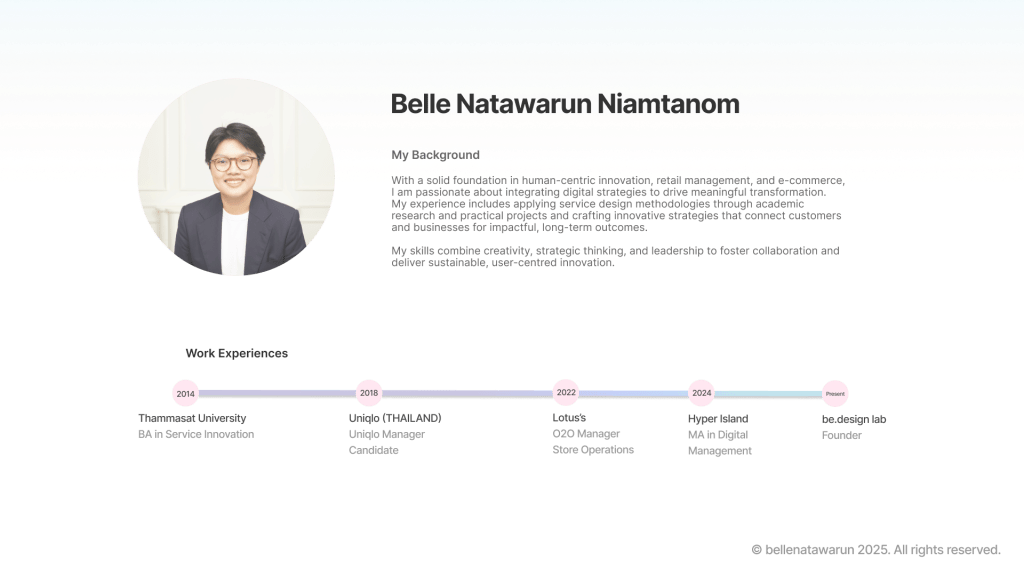
🔹 Introduction
I began the presentation with an introductory slide to highlight my background and experience, creating an opportunity to engage the audience and establish a connection.
🔑 What is Service Design?
Introducing the audience to the fundamentals and relevance of service design.
Project Phases: A Simple Breakdown
- 🔍 Phase 1 Deepening Insights
We start by exploring user needs using service design tools.
The goal is to deeply understand the challenges and experiences users face. - 🔄 Phase 2 Validating Insights
Next, we validate our findings through workshops and in-depth interviews, ensuring that the insights are accurate and actionable for the project. - 💡 Phase 3 Reflection & Recommendation
Finally, we reflect on the process, extract the key learnings, and provide actionable recommendations to improve the policy platforms and make them more user-friendly.
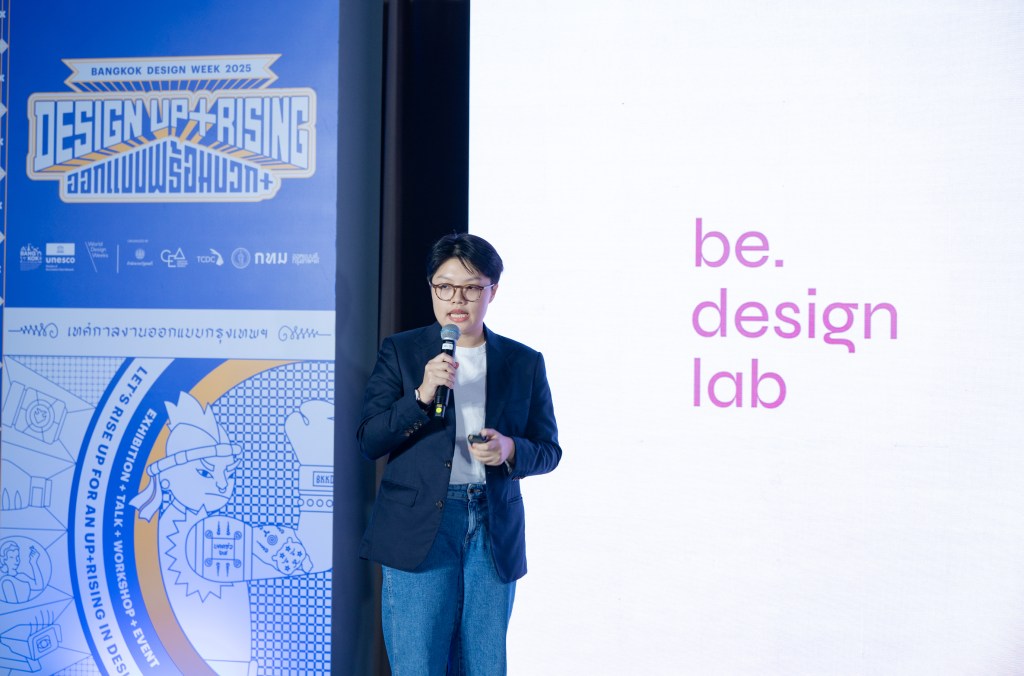
Key Benefits of Service Design in Policy Platforms
✅ User-Centric Development: Ensures early product development revolves around the needs of users, leading to more relevant and impactful outcomes.
✅ Project Structure & Alignment: Helps structure projects, map key touchpoints, and align expectations among stakeholders, improving clarity and focus.
✅ Supports Collaboration: Enhances marketing, communication, and teamwork, making it easier for teams to stay aligned and work toward shared goals.
Challenges & Suggested Solutions
🚧 Adoption Barriers: Implementing service design tools requires effort and a deeper understanding, creating challenges for new users.
🚧 Perceived Limitations: Often seen as unsuitable for launched products but can significantly enhance UX and touchpoint optimization.
💡 Solution: Offering standardized guidance and dedicated support to simplify tool adoption and improve implementation efficiency.
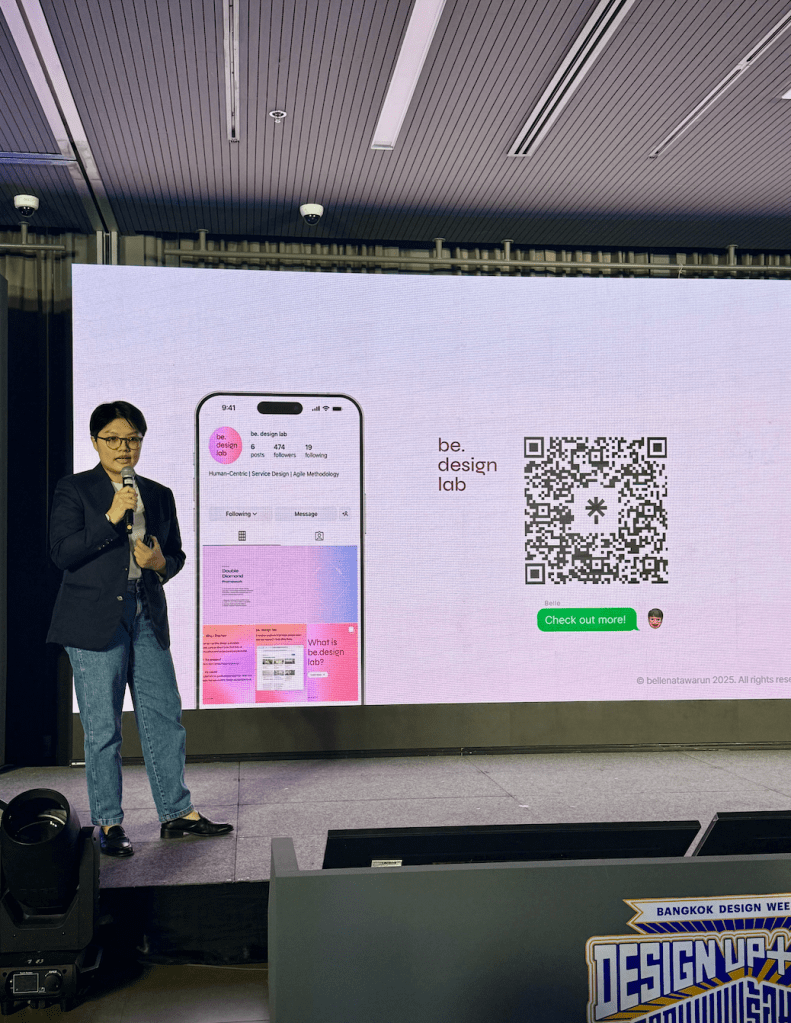
Prototype Outcome: be.design lab
A research toolbox created to make service design tools and human-centric solutions simple and accessible for everyone.
 be. design lab